



Events, Workshops, or Activities
1. Workshop on Sustainable Development Goals (SDGs) organized by Dr. Abhishek Suresh Dhoble, funded by the Virtual Sustainable Development Centre (SDG Centre) at IIT (BHU) Varanasi
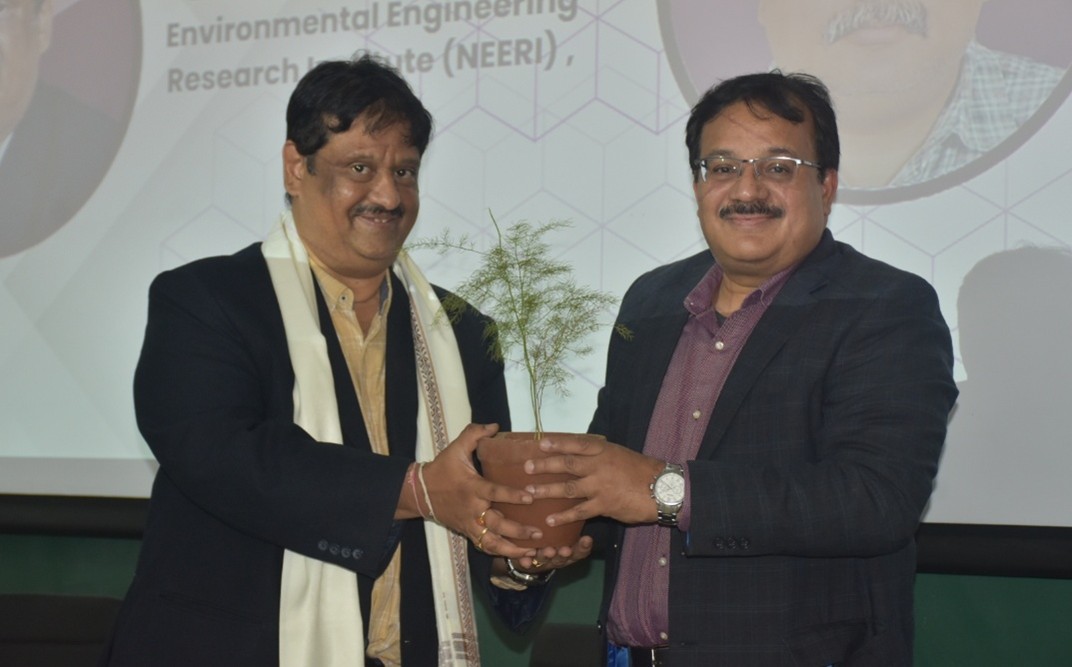
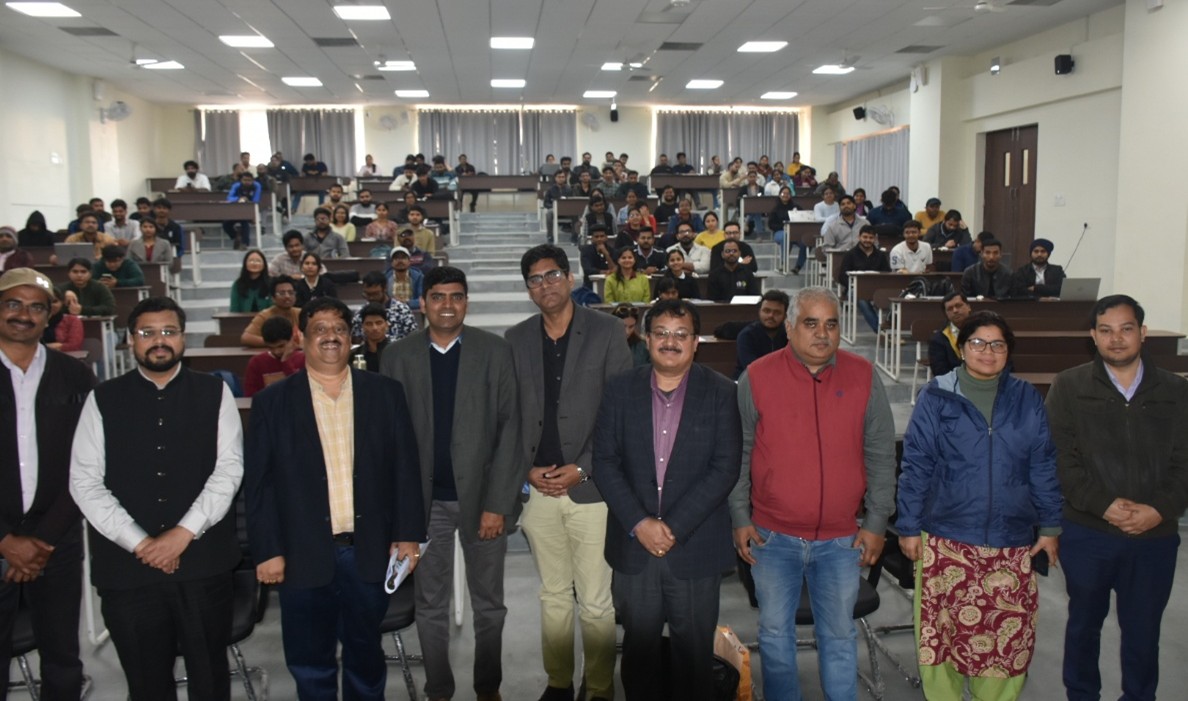
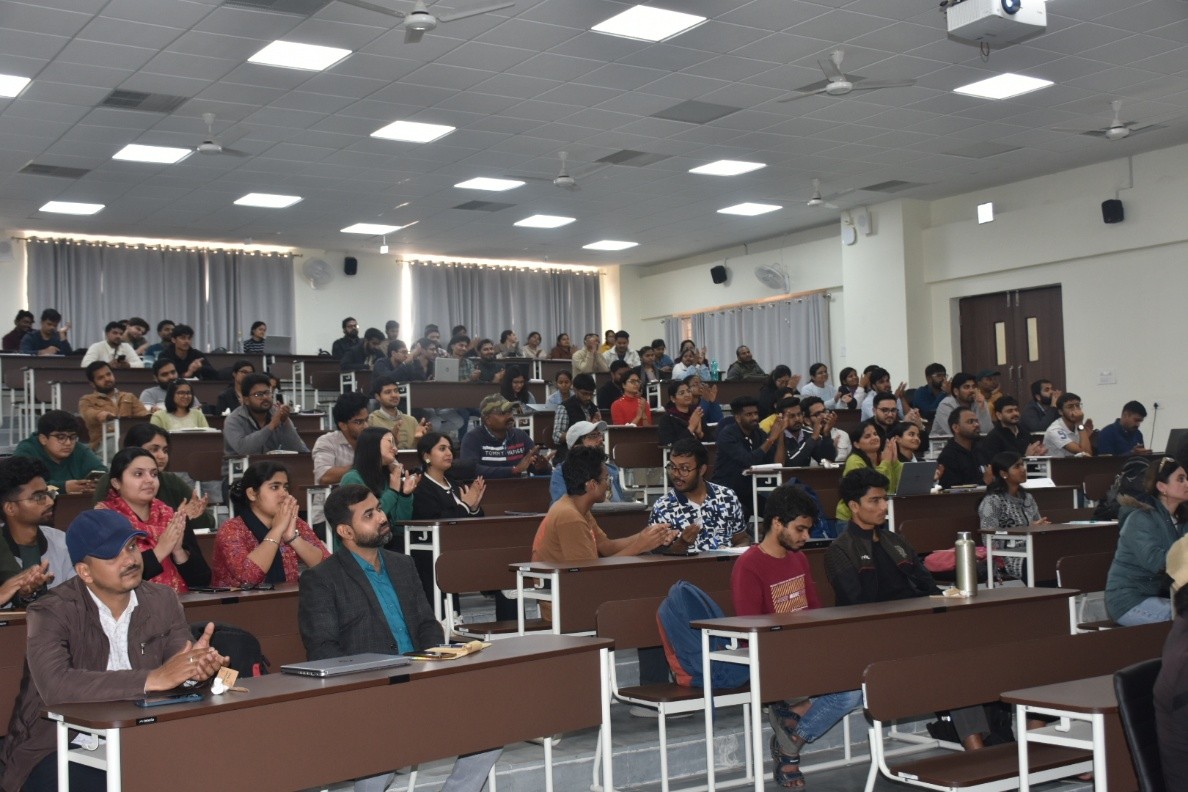
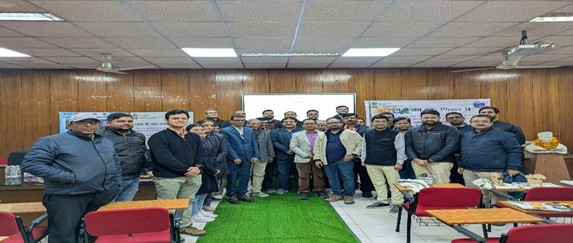
On 5 February 2026, the Virtual Sustainable Development Centre (SDG Centre) at IIT (BHU) Varanasi organized a workshop on Sustainable Development Goals (SDGs) at the Dev & Vardhana Goswami Lecture Hall Complex, attracting around 250 registrations from students, faculty, and staff. The workshop addressed multiple SDG themes including affordable and clean energy (SDG 7), clean water and sanitation (SDG 6), sustainable cities and communities (SDG 11), responsible consumption and production (SDG 12), climate action (SDG 13), and good health and well-being (SDG 3). The keynote address was delivered by Dr. S. Venkata Mohan, Director of CSIR-NEERI and recipient of the Rashtriya Vigyan Puraskar 2025 (Environmental Science) and the Shanti Swarup Bhatnagar Prize for Science and Technology 2014, who discussed the intersection of waste management with resource recovery, clean energy generation, water sustainability, climate mitigation, and public health, highlighting how circular bioeconomy approaches can contribute to achieving SDG 7 alongside other sustainability goals. The programme also included a session by Dr. Rajeev Pratap Singh of BHU, and a case-based assessment of the Smart Cities Mission conducted by Prof. Senthil Raja A., which familiarized participants with data-driven urban governance aligned with SDG 11 (Sustainable Cities and Communities). A distinctive feature of the event was its fully sustainable organization under the guidance of the Convener, Dr. A. S. Dhoble, demonstrating practical commitment to SDG 12 (Responsible Consumption and Production) through the use of kulhads, leaf-based food containers, medicinal plants instead of conventional bouquets, and biodegradable seed pens and seed-ball pouches for participants. Prof. Vikash Kumar Dubey, Professor-in-Charge of the SDG Centre, emphasized the centre’s role in equipping students with interdisciplinary skills to address global sustainability challenges through science-driven, scalable solutions. The workshop was also covered by the press and featured on the institute’s official social media platforms.
2. Multiple events with Municipalities of Haryana and Punjab organized by Dr. Anurag Ohri, Dr. Harsimran Kaur, Dr. Shishir Gaur, funded by the NIUA, New Delhi
Shallow Aquifer Management (SAM) Project – Contribution to the Sustainable Development Goals
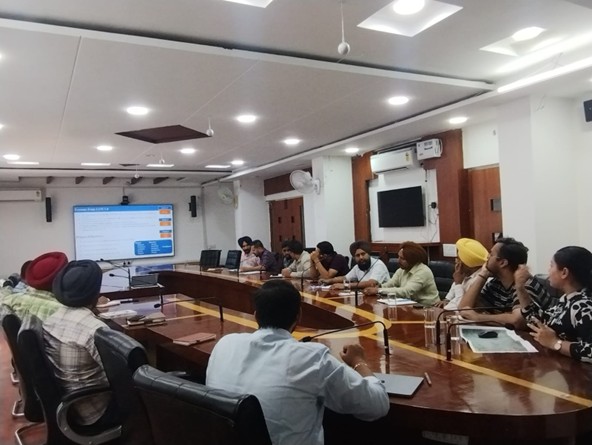
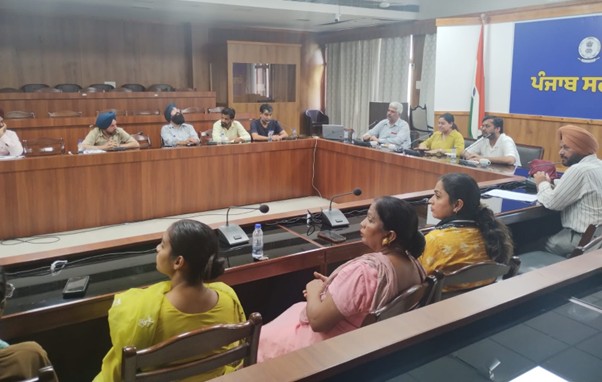
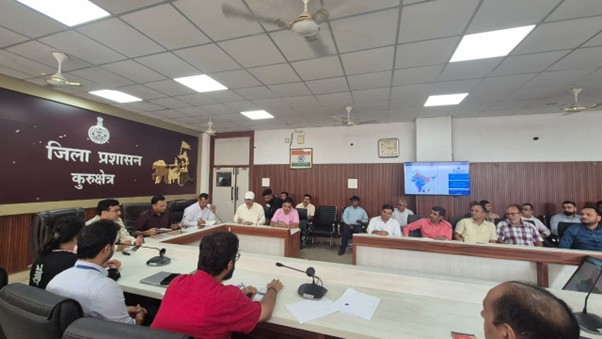
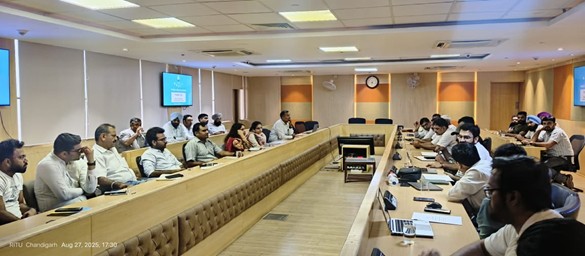
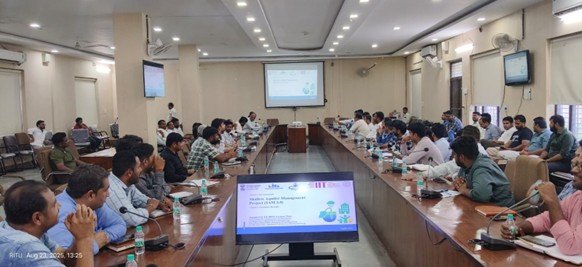
IIT (BHU) team consisting of Prof. Anurag Ohri, Dr. Harsimran Kaur, and Dr. Shishir Gaur, is currently working on the Shallow Aquifer Management (SAM) Project, an initiative focused on strengthening urban groundwater systems through scientifically informed recharge planning, technical support, and community engagement. Implemented across selected urban areas of Haryana, Punjab, and Chandigarh, the project aims to improve groundwater sustainability and enhance the resilience of cities facing increasing water stress due to rapid urbanization and climate variability.
The SAM Project contributes directly to Sustainable Development Goal 6 (Clean Water and Sanitation) by promoting sustainable groundwater recharge and strengthening urban water security. It also advances Sustainable Development Goal 11 (Sustainable Cities and Communities) by encouraging water-sensitive urban planning and resilient infrastructure and supports Sustainable Development Goal 13 (Climate Action) through climate-responsive water management strategies that enhance urban resilience to droughts, extreme rainfall events, and long-term hydrological variability.
Beyond these primary goals, the initiative also aligns with Sustainable Development Goal 15 (Life on Land) by integrating nature-based solutions such as vegetated recharge zones, bioswales, and landscape-based infiltration systems that help restore natural hydrological processes and support healthier urban ecosystems. The collaborative framework of the project further contributes to Sustainable Development Goal 17 (Partnerships for the Goals) through cooperation between academic experts, municipal institutions, and technical stakeholders working together to strengthen groundwater governance in cities.
The project adopts a comprehensive approach that combines technical assessment, planning, and institutional capacity development. Key activities include preparation of urban groundwater recharge plans, identification of suitable recharge locations based on hydrogeological and watershed characteristics, and design of context-specific recharge structures suited for dense urban environments. In addition, capacity-building workshops and technical training programs are conducted for municipal officers and urban local body staff, equipping them with practical knowledge and tools to implement sustainable groundwater recharge interventions.
An important dimension of the SAM Project is the promotion of integrated urban water management, where stormwater is treated as a valuable resource rather than a drainage challenge. By guiding cities in utilizing parks, institutional campuses, roadside green corridors, and other public spaces for groundwater recharge interventions, the project helps improve groundwater replenishment, reduce localized flooding risks, and strengthen long-term urban water resilience.
Alongside technical and institutional efforts, the project also emphasizes community awareness and social engagement.
Information, Education, and Communication (IEC) materials are being developed to raise awareness about groundwater conservation and recharge practices among youth, women, and the broader community. These outreach efforts also support Sustainable Development Goal 4 (Quality Education) by promoting environmental literacy and encouraging citizens to participate actively in sustainable water management.
Through the combined expertise and commitment of the project team and collaborating urban institutions, the SAM Project demonstrates how evidence-based groundwater recharge planning, institutional capacity strengthening, ecological design, and public awareness can collectively contribute to building water-secure and climate-resilient cities. The initiative provides a practical and replicable framework that can support other urban regions in India and beyond in addressing groundwater depletion while advancing multiple Sustainable Development Goals simultaneously.
3. Architecture, Culture, Spirituality Forum 15th Annual Symposium organized by Dr. Amita Sinha, funded by the Registration Costs and partially funded by SDG Centre, IIT BHU
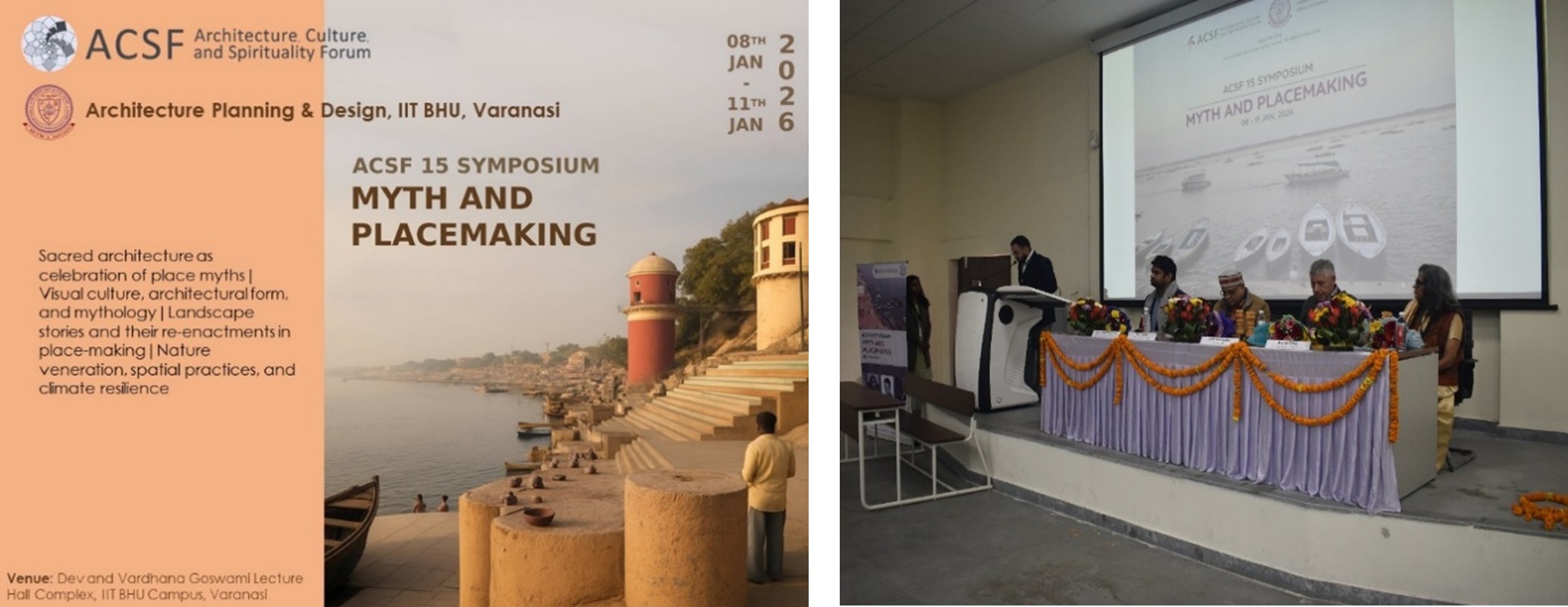
India, with a rich tradition of storytelling, has a rich corpus of myths grounded in its hills, rivers, and forests. Place-based myths hold collective memories of gods, heroes, and sages told and retold to countless generations. Places hold the key to understanding the continuum of myth into history. Cultural practices enact myths reproducing collective memories. The public life of pilgrim cities, especially those on banks of holy rivers is centred around this living cultural heritage. Regeneration of natural systems at sacred sites imprinted by myths will be a step towards promoting United Nations Sustainable Goals adopted by India. The 15th Annual Symposium of Architecture, Culture, and Spirituality Forum (ACSF) addressed this theme. It was organized by ACSF in collaboration with Department of Architecture, Planning and Design (APD) from Jan 8-11, 2026, at the Dev and Vardhana Goswami Lecture Hall Complex. Its co-conveners were Julio Bermudez, President of ACSF, Amita Sinha and Rabi Narayan Mohanty of APD. The program consisted of three keynote lectures, ten sessions, and two panels. Walking tour of the historic core of BHU campus and old Varanasi as well as boat ride on the Ganga were part of the event. The ACSF 15 symposium brought together eminent experts (24 international and 30 from India) who shared their research on cultural narratives as they shape place-making across the world. Their presentations were aligned with SDG Goal 11 “Make cities and human settlements inclusive, safe, resilient, and sustainable”.
https://in.one.un.org/page/sustainable-development-goals/sdg-11/
4. Innovations in Water Treatment, Reuse, and Resource Recovery (IWT-RRR) organized by Dr. Shweta Singh, funded by the ANRF and Department of Civil Engineering
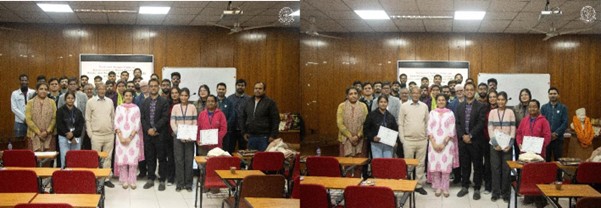
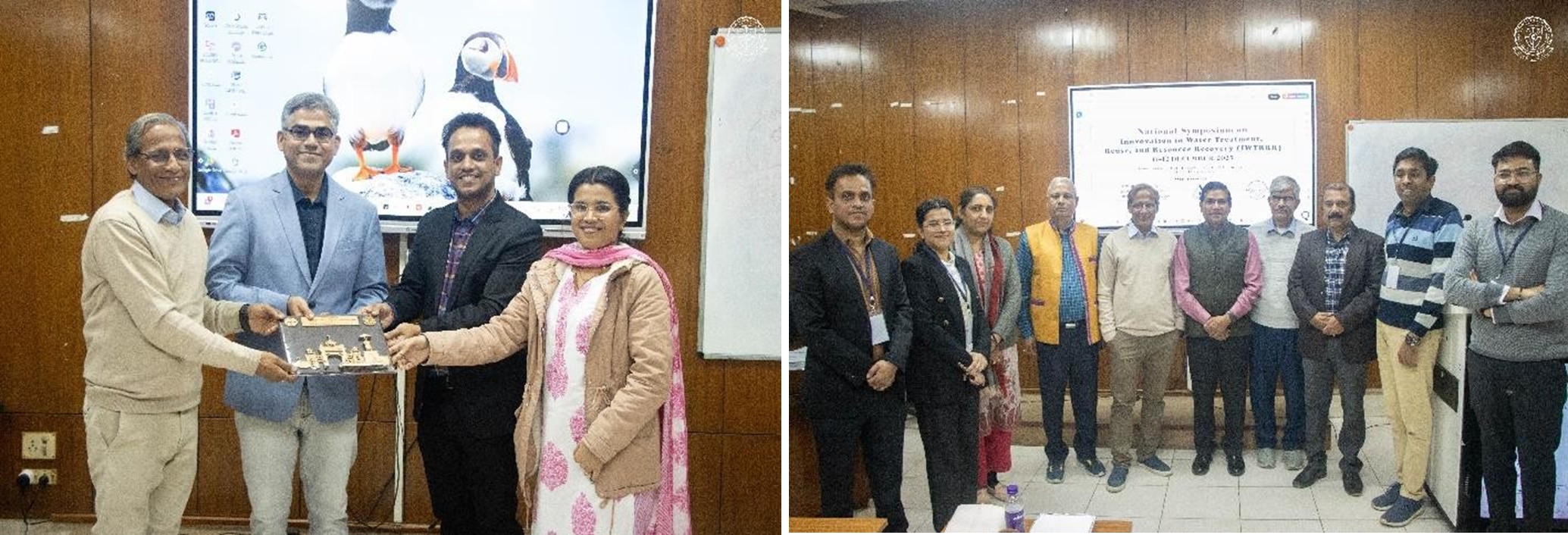
The National Symposium on “Innovations in Water Treatment, Reuse, and Resource Recovery (IWT- RRR)”, held on 11–12 December 2025 at the Department of Civil Engineering, IIT (BHU) Varanasi, highlighted several themes aligned with the United Nations Sustainable Development Goals (SDGs). The lectures and sessions focused primarily on SDG 6 (Clean Water and Sanitation) by exploring advanced water treatment technologies, adsorption methods, and solutions to groundwater contamination such as uranium and arsenic. Discussions on wastewater reuse, decentralized treatment systems, and circular economy approaches emphasized SDG 12 (Responsible Consumption and Production) and SDG 11 (Sustainable Cities and Communities) by promoting efficient water management and resource recovery from municipal sewage. Presentations on biotechnological resource recovery, bio electrochemical systems, and nutrient recovery demonstrated the potential for integrating water, energy, and nutrient cycles, contributing to SDG 7 (Affordable and Clean Energy) and SDG 9 (Industry, Innovation and Infrastructure). Furthermore, sessions on nature-based solutions, constructed wetlands, and bioremediation techniques supported SDG 13 (Climate Action) and SDG 15 (Life on Land) by encouraging environmentally sustainable water management practices. Overall, the symposium underscored the importance of technological innovation, circular economy principles, and interdisciplinary collaboration in addressing global water challenges and advancing sustainable development.
5. Expert Meeting cum Workshop / Interactive Session organized by Dr. Shishir Gaur, funded by the Smart Laboratory on Clean Rivers
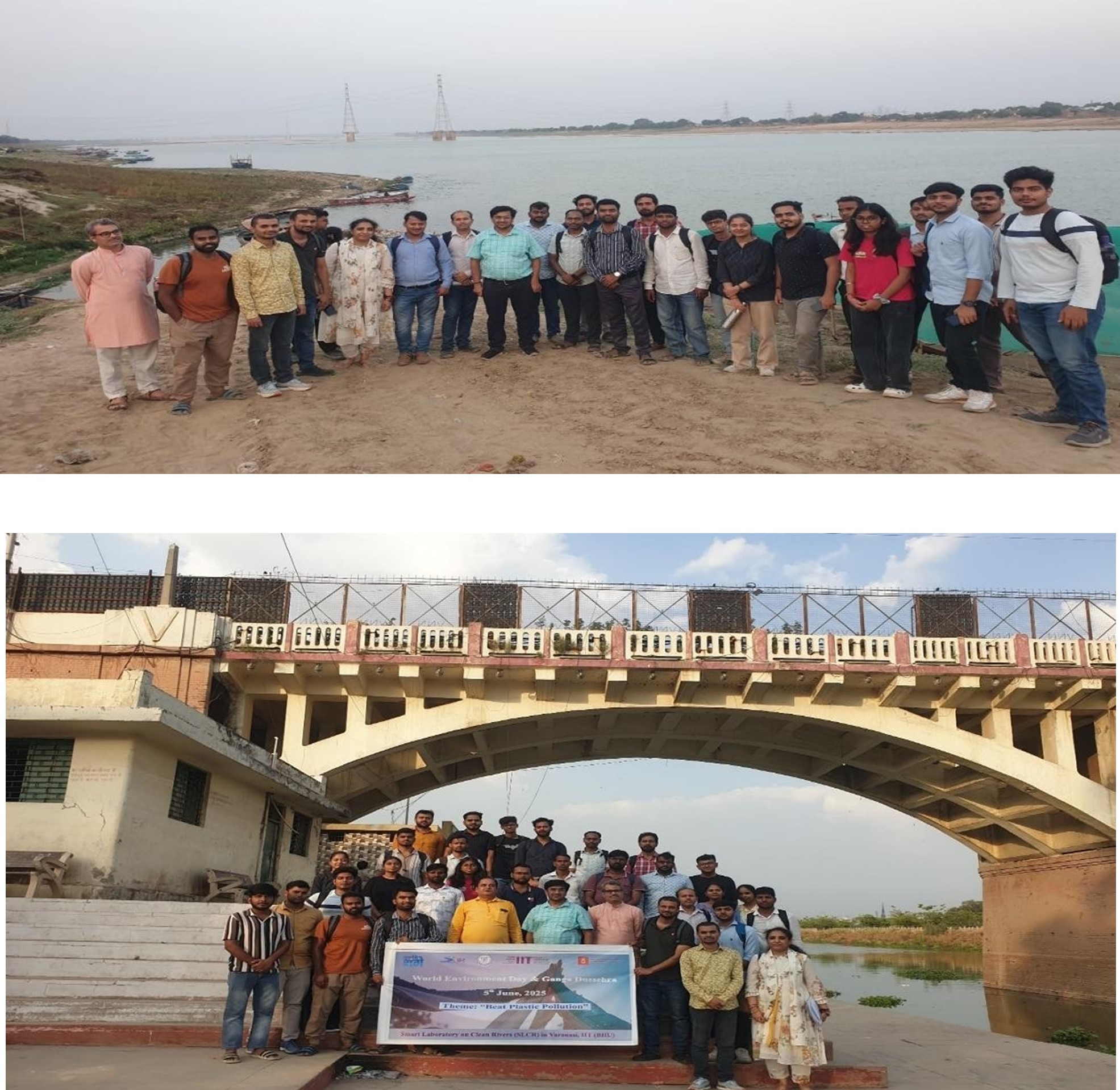
On the occasion of World Environment Day and Ganga Dussehra on 5th June 2025, the Smart Laboratory on Clean Rivers (SLCR), an Indo-Danish collaborative initiative at Indian Institute of Technology (BHU) Varanasi, organized an environmental awareness and pledge-taking activity at the ghats of the Varuna River, a major tributary of the Ganges River, specifically at Shastri Ghat and Adi Keshava Ghat. A total of 30 participants from the SLCR team took part in the programme and collectively pledged to minimize plastic consumption, avoid single-use plastics, promote recycling, and adopt sustainable alternatives in their daily lives. The activity also emphasized the importance of circular economy principles and sustainable practices for environmental protection and river rejuvenation.
- An expert meeting cum Workshop on the project titled "Hydrogeological Model of Varuna Basin for Recharge Sites" was held on 4th July 2025 at Seminar Hall, IIT (BHU). The main aim was to enhance understanding of River–Aquifer Exchanges (RAE) in the Varuna River Basin through advanced geophysical and hydrogeological approaches. A total of 52 participants joined the event in hybrid mode, including professors, assistant professors, research scholars, interns, JRFs, and students from IIT-BHU
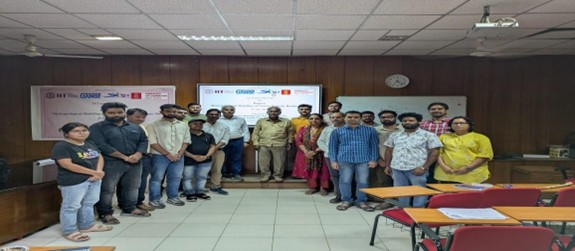
- The Expert Meeting cum Workshop was convened under the ambit of the ongoing research initiative titled “Characterization of Emerging Pollutants & Fingerprint Analysis” was held on 16th July,2025, spearheaded by the Smart Laboratory on Clean Rivers (SLCR) at IIT (BHU). The main objective was to Identify challenges and propose collaborative solutions for improving river water quality and ecosystem health. And aiming to trace, analyse, and manage emerging pollutants in the Ganga Basin through innovative scientific approaches and decision support tools. A total of 20 participants joined the vent in hybrid mode.
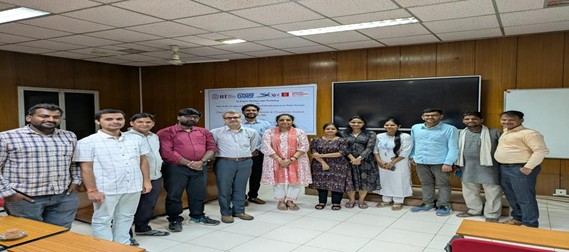
- An expert meeting cum Workshop on the project titled “Decision Support System for Water Resource Management” was held on 21st July 2025. This expert meeting aims to foster dialogue among DSS developers, modelers, and stakeholders to identify best practices, address gaps in current methodologies, and co-design a context-specific DSS framework. By generalizing challenges and solutions from the Varuna Basin, the meeting seeks to contribute to scalable water management strategies, ensuring resilience and sustainability across similar basins. A total 25 participants participated.
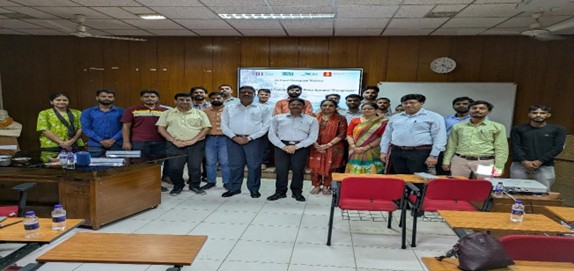
- A Two-Day Expert Meeting-cum-Workshop on “Nature-Based Solutions for Small Rivers Rejuvenation” was held on 21st & 22nd August 2025. It was organized to deliberate on NbS applications for rejuvenating small rivers, particularly Varuna and Assi rivers in Varanasi, and to facilitate knowledge sharing among experts, policymakers, technology providers, and communities. A total 35 participants participated.
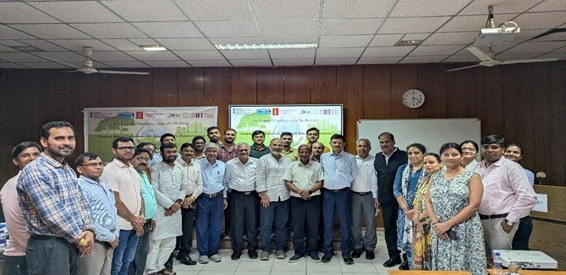
- An interactive session and meeting with officials of the Variable Energy Cyclotron Centre (VECC), Department of Atomic Energy (DAE), Government of India was successfully organized on Saturday, 17 January 2026. The subject of discussion and presentations revolved around an initiative led by scientists of VECC, Department of Atomic Energy, aligned with the national flagship programme “Namami Gange”, under the vision: “(Udgam se Ant Tak)”— focusing on holistic river rejuvenation from source to confluence. A total 30 participants participated.
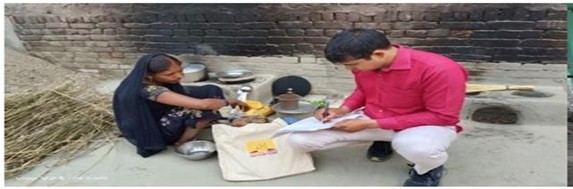
- The Carbon Dashboard is a digital platform developed to support the achievement of the Sustainable Development Goals (SDGs) by enabling the measurement, monitoring, and management of carbon emissions in rural areas. The system helps communities understand their carbon footprint and supports evidence-based decision-making for sustainable and climate- resilient development. It estimates the carbon budget of a village both before and after the implementation of climate interventions, allowing stakeholders to evaluate the effectiveness of different environmental actions. The dashboard is designed to be scalable and adaptable for use in any village and has been initially developed using Hasudi Ausanpur village in Siddharth Nagar district of Uttar Pradesh as a prototype to demonstrate the methodology and functionality of the system.
6. SDGs through Hindu Worldviews: Spiritual Care in a VUCA–BANI World organized by Dr. Swasti Mishra, funded by the SPARC Project (P-2485)
International Symposium on “SDGs through Hindu Worldviews: Spiritual Care in a VUCA–BANI World” Organized at IIT (BHU)
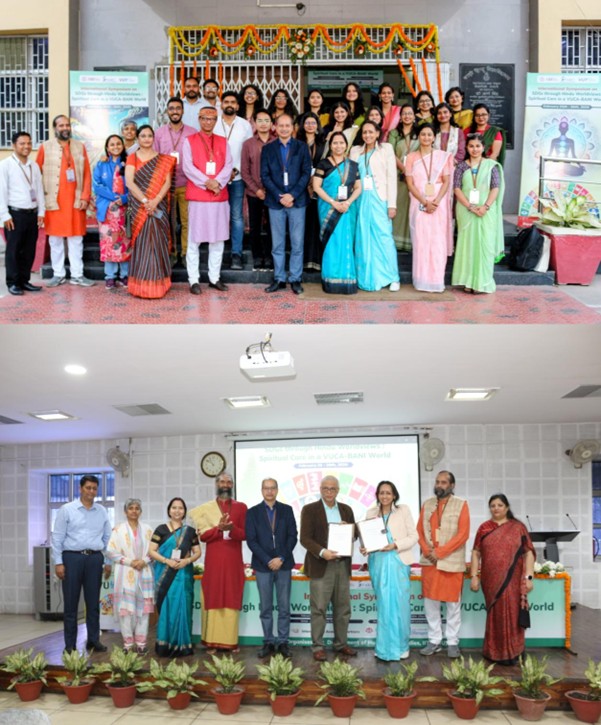
The Department of Humanistic Studies, Indian Institute of Technology (BHU), Varanasi, successfully organised the International Symposium on ―SDGs through Hindu Worldviews: Spiritual Care in a VUCA–BANI World‖ under the SPARC (Scheme for Promotion of Academic and Research Collaboration) on 25–26 February 2026. The symposium brought together distinguished scholars, academicians, and practitioners from across the world to engage in meaningful dialogue on integrating Hindu philosophical insights with contemporary global challenges, particularly the United Nations Sustainable Development Goals (SDGs).
The event featured eminent keynote speakers including Prof. Anil Maheshwari, Prof. Pawan Singh, Prof. Laszlo Zsolnai, Shri Madhupati Dasa, Prof. Saito Hirohisa, and Prof. Jaya Krishnakumar. Their addresses explored diverse themes such as spirituality and sustainability, ethical leadership, spiritual care, and the relevance of Hindu worldviews in navigating the complexities of a VUCA–BANI world—characterised by volatility, uncertainty, complexity, ambiguity, brittleness, anxiety, nonlinearity, and incomprehensibility.
The symposium provided a vibrant platform for interdisciplinary discussions on how spiritual traditions and philosophical frameworks can contribute to sustainable and humane approaches to global development challenges.
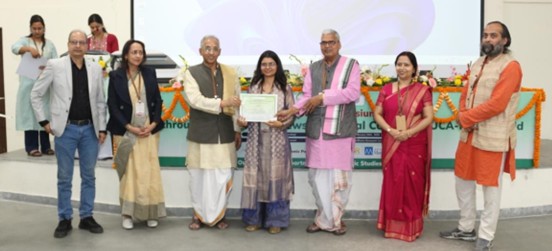
A major highlight of the symposium was the signing of a Memorandum of Understanding (MoU) between the Department of Humanistic Studies, IIT (BHU) Varanasi, and Vrije Universiteit Amsterdam. The MoU aims to foster international academic collaboration, joint research initiatives, faculty and student exchange, and scholarly engagement in areas related to spirituality, ethics, and sustainable development
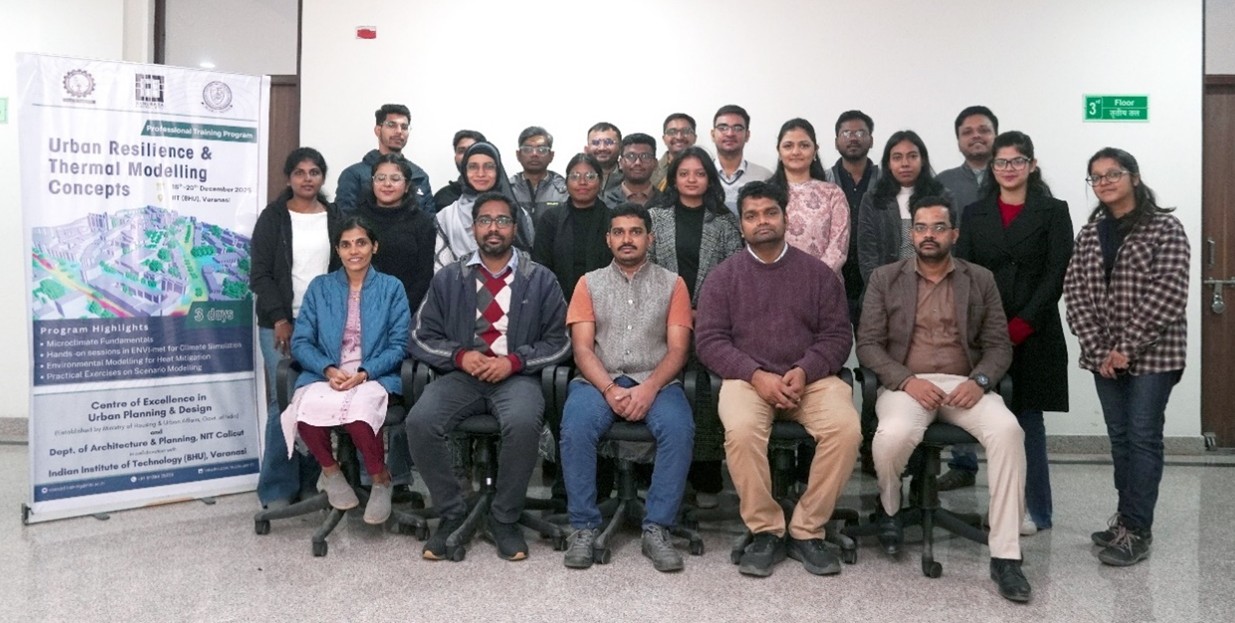
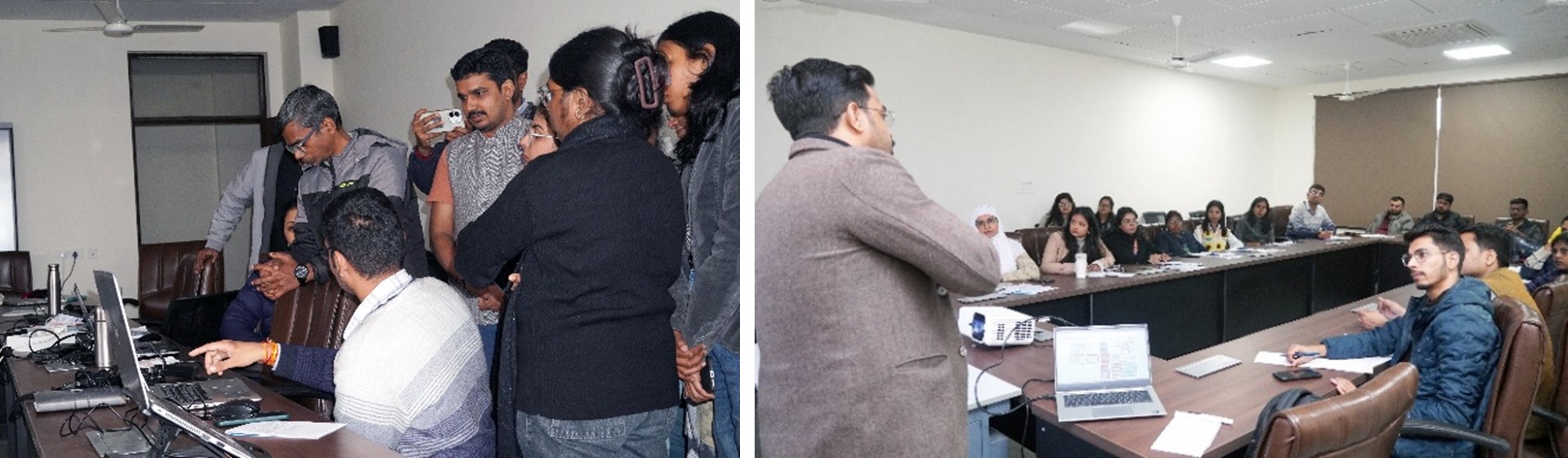
7. Three-day professional Training Program on Urban Resilience & Thermal Modelling Concepts organized by Dr. E V S Kiran Kumar Donthu, funded by the Ministry of Housing and Urban Affairs
The programme offered a strong academic and practical foundation in urban resilience, microclimate science, and thermal modelling. It maintained an excellent balance between theoretical grounding and hands-on ENVI-met simulations. The sessions were led by a team of experts: Dr. DEVS Kiran Kumar, PhD, and Dr. Atul Kumar from IIT (BHU), Dr. Jayasree T K, and Dr. Kuladeep Kumar Sadevi, NIT (Calicut). This training allowed the practicing professionals and researchers to revisit the core model fundamentals, governing equations, and basics of thermal comfort indices like PMV and PET with greater clarity. The group exercises and thoughtful discussions with researchers from across the country added a lot of value to the experience. Beyond the academic sessions, the journey was made even more memorable by the serene IIT-BHU campus and the timeless charm of Varanasi. Evenings along the ghats, visits to historic temples, and conversations with fellow researchers made the experience truly holistic.
SDG relevance: SDG3 9(Good health & wellbeing), SDG 11 (Sustainable Cities & Communities), & SDG 13 (Climate Action)
8. Open Elective Course on "AR 411 Green Building Techniques" organized by Dr. E V S Kiran Kumar Donthu, funded by the Institute
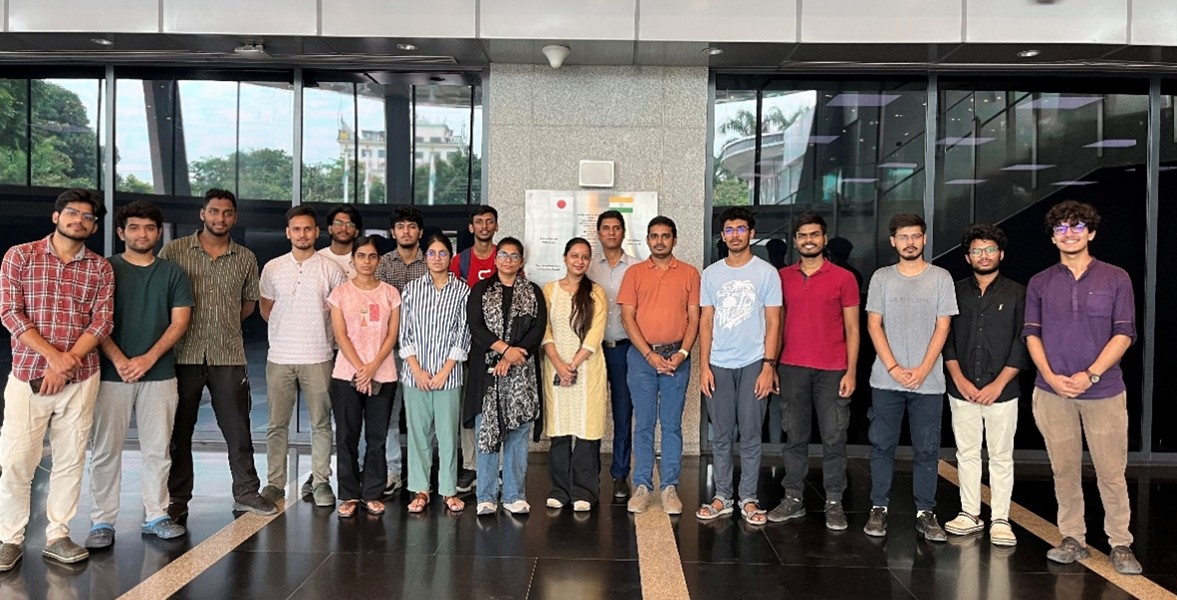
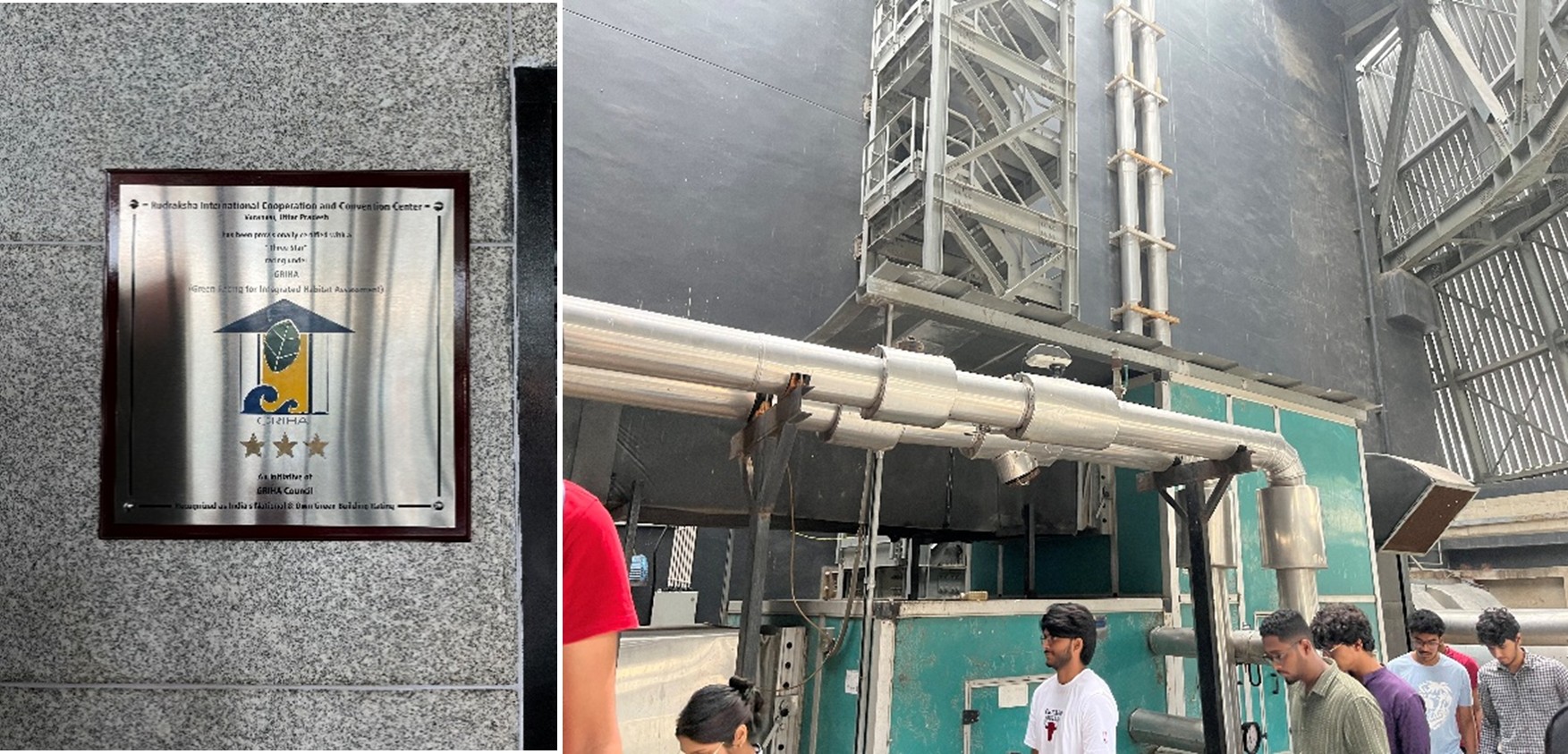
An interdisciplinary course at IIT (BHU) brought together 80 students from all departments to explore sustainability through collaboration. A key component was a site visit to a 3-Star GRIHA rated green building in Varanasi. This provided experiential learning, allowing students to physically observe features like solar passive design, rainwater harvesting, and energy-efficient materials. The visit bridged theory and practice, demonstrating how integrated design achieves high environmental performance. For the diverse cohort, it fostered a tangible, shared understanding of sustainability, transforming abstract concepts from various disciplines into a cohesive, real-world application.
SDG 11 (Sustainable Cities and Communities), SDG 12 (Responsible Consumption and Production), SDG 7 (Affordable and Clean Energy), and SDG 13 (Climate Action).
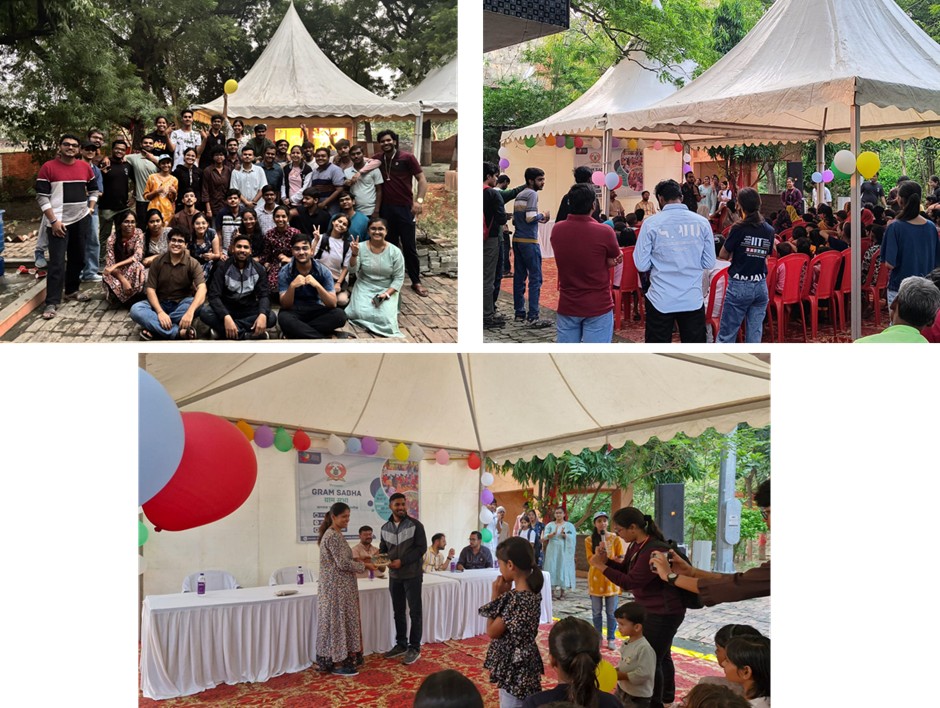
9. Gram Sabha 2026 organized by Dr Bhuvaneshwari B, funded by the IIT BHU Varanasi
10. International Conference on Seismic Resilient Infrastructure (ICSRI-2026) organized by Dr. Supriya Mohanty, funded by the IIT-BHU Varanasi, ANRF, VSDC, MIDAS, ASCOM, HEICO, ISET
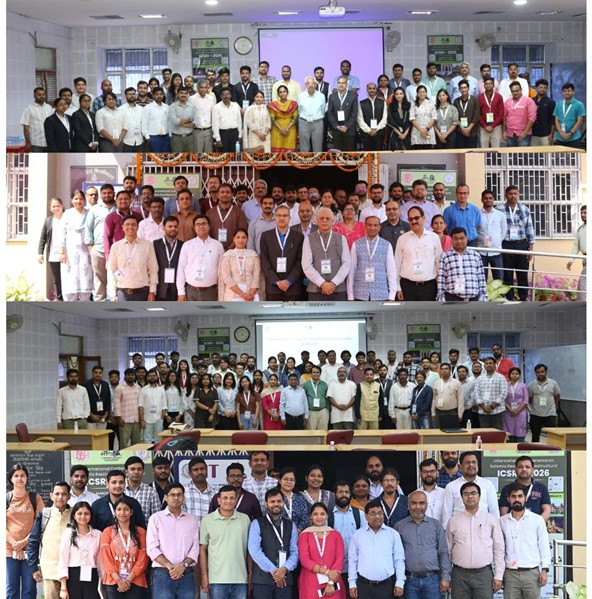
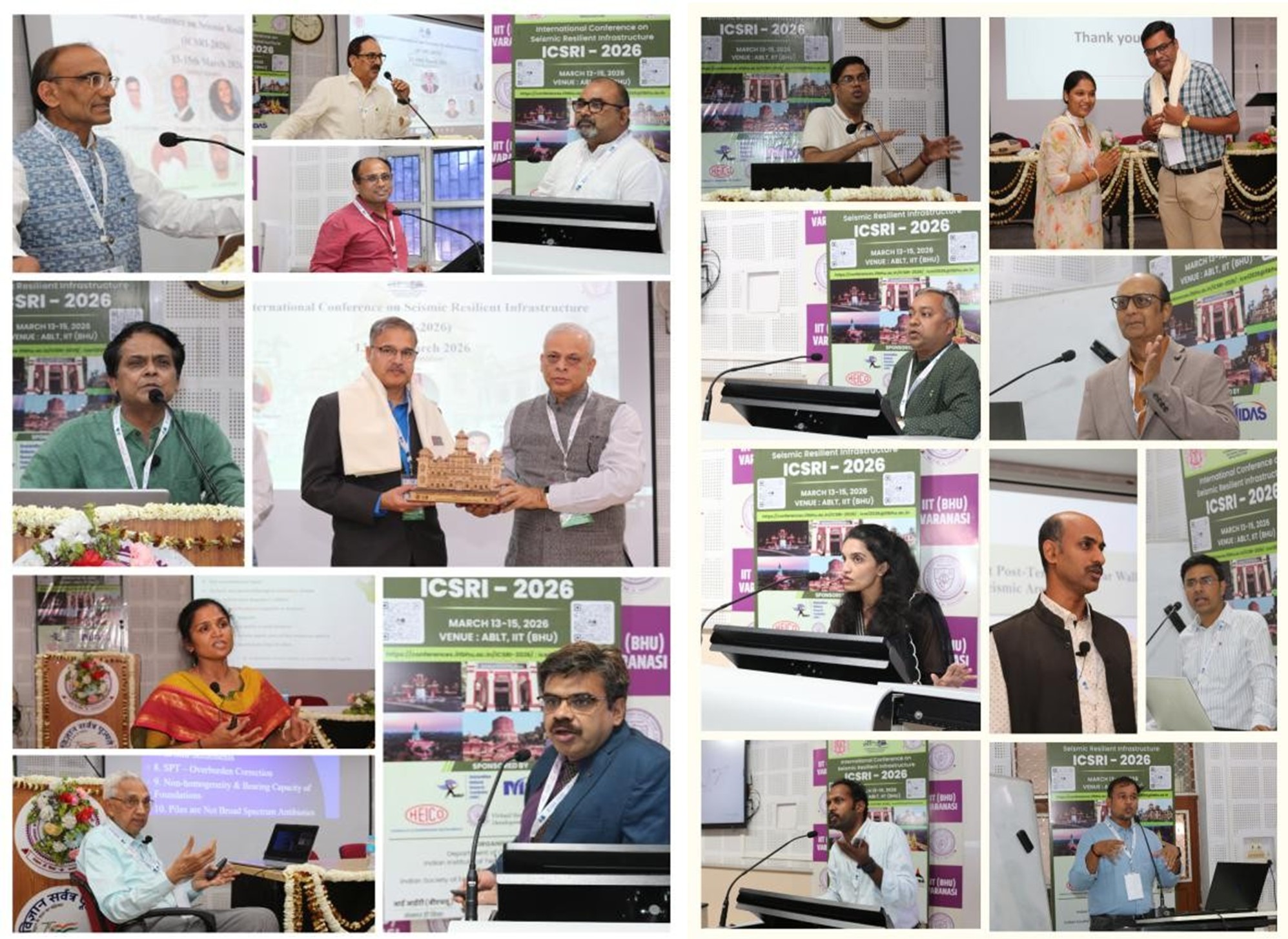
The International Conference on Seismic Resilient Infrastructure (ICSRI-2026) was successfully organized at IIT (BHU) Varanasi, from March 13-15, 2026, bringing together academicians, researchers, industry professionals, and students from diverse domains to deliberate on advancements in resilient infrastructure and sustainable development.
We sincerely acknowledge the valuable support extended by the Virtual Sustainability Development Centre (VSDC), IIT (BHU) Varanasi, which significantly contributed to the successful planning and execution of the conference. The Centre’s encouragement and alignment with sustainability-driven initiatives provided a strong foundation for achieving the objectives of the event.
The conference featured an inaugural session, keynote lectures, invited talks, and technical presentations by participants, highlighting cutting-edge research and practical solutions in the domain of seismic resilience. A local excursion was also organized to promote experiential learning and contextual understanding of infrastructure challenges.
ICSRI-2026 strongly aligned with several United Nations Sustainable Development Goals (SDGs). The discussions and knowledge exchange during the conference directly contributed to:
- SDG 9 (Industry, Innovation, and Infrastructure): By promoting innovative technologies and research in resilient infrastructure systems.
- SDG 11 (Sustainable Cities and Communities): Through focus on disaster-resilient urban development and mitigation strategies for seismic risks.
- SDG 13 (Climate Action): By addressing the need for infrastructure systems that can withstand climate- induced and natural hazards.
- SDG 17 (Partnerships for the Goals): By fostering collaboration among academia, industry, and policymakers at national and international levels.
The conference successfully created a platform for interdisciplinary dialogue and knowledge dissemination, encouraging sustainable practices in infrastructure development. The insights gained and collaborations initiated during ICSRI-2026 are expected to contribute to long-term advancements in resilient and sustainable infrastructure systems. We once again express our heartfelt gratitude to the Virtual Sustainability Development Centre, IIT (BHU) Varanasi, for their support and association, which played a pivotal role in the success of this event.
11. Decoding Climate for Architecture: Tools, Metrics, and Design Integration organized by Dr. Aaditya Pratap Sanyal, funded by the SDG Centre IIT BHU
Climate-responsive architecture has become a critical paradigm in addressing global challenges of climate change, escalating energy demand, urban heat stress, and environmental degradation. In India, with its diverse climatic zones, integrating climate-sensitive design strategies at the early stages of planning is essential for sustainable development. This Faculty Development Programme (FDP) seeks to advance conceptual understanding and practical skills in climate-responsive design through training in analytical methods, passive strategies, and digital simulation tools. By equipping faculty members with the capacity to embed these approaches into teaching, research, and design studios, the programme contributes to SDG 3 (Good Health and Well-being) by fostering healthier indoor environments, SDG 11 (Sustainable Cities and Communities) by promoting resilient and resource-efficient built environments, and SDG 13 (Climate Action) by strengthening adaptive and mitigative responses to climate change. Expected outcomes include enhanced knowledge of climate-sensitive design, proficiency in site-specific climatic analysis, and improved pedagogical and research capacity to advance sustainable architectural practices.
Objectives
- To build a strong conceptual foundation in climate-responsive architectural design
- To familiarize participants with climate analysis, passive design strategies, and performance- based design
- To provide hands-on exposure to digital tools and simulation software
- To enable faculty members to integrate climate-responsive methods into teaching, research, and design studios
Expected Outcomes
- Improved understanding of climate-sensitive architectural design
- Ability to analyse site-specific climatic data and apply passive strategies
- Practical knowledge of simulation tools for thermal comfort and energy performance
- Enhanced teaching and research capacity in sustainable and climate-responsive architecture
12. Experts Discuss India’s Path to Achieving the Sustainable Development Goals organized by Dr. Vikash Kumar Dubey, funded by the SDG Centre IIT BHU
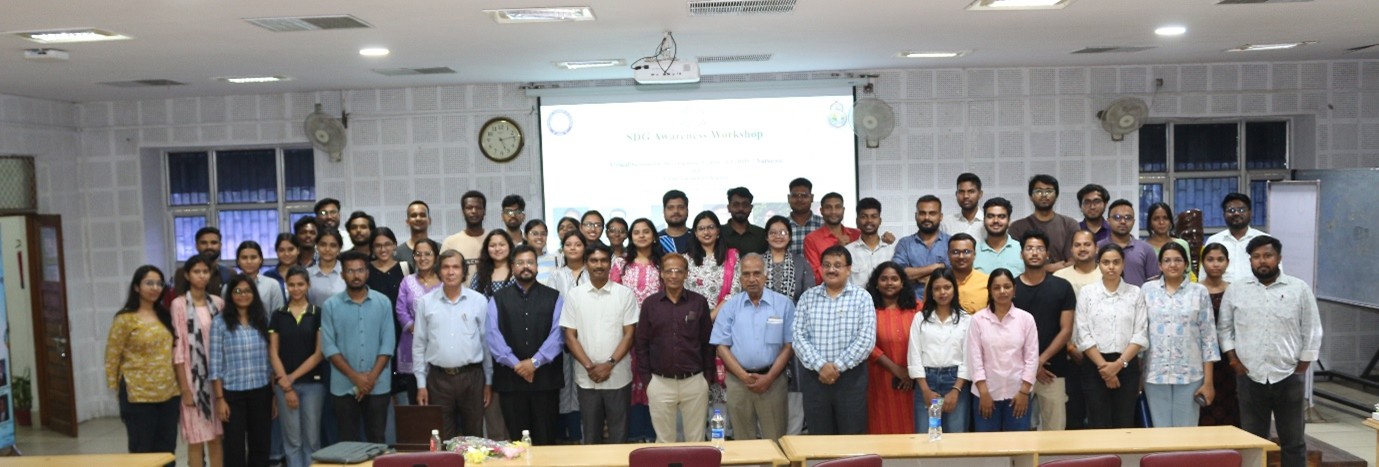
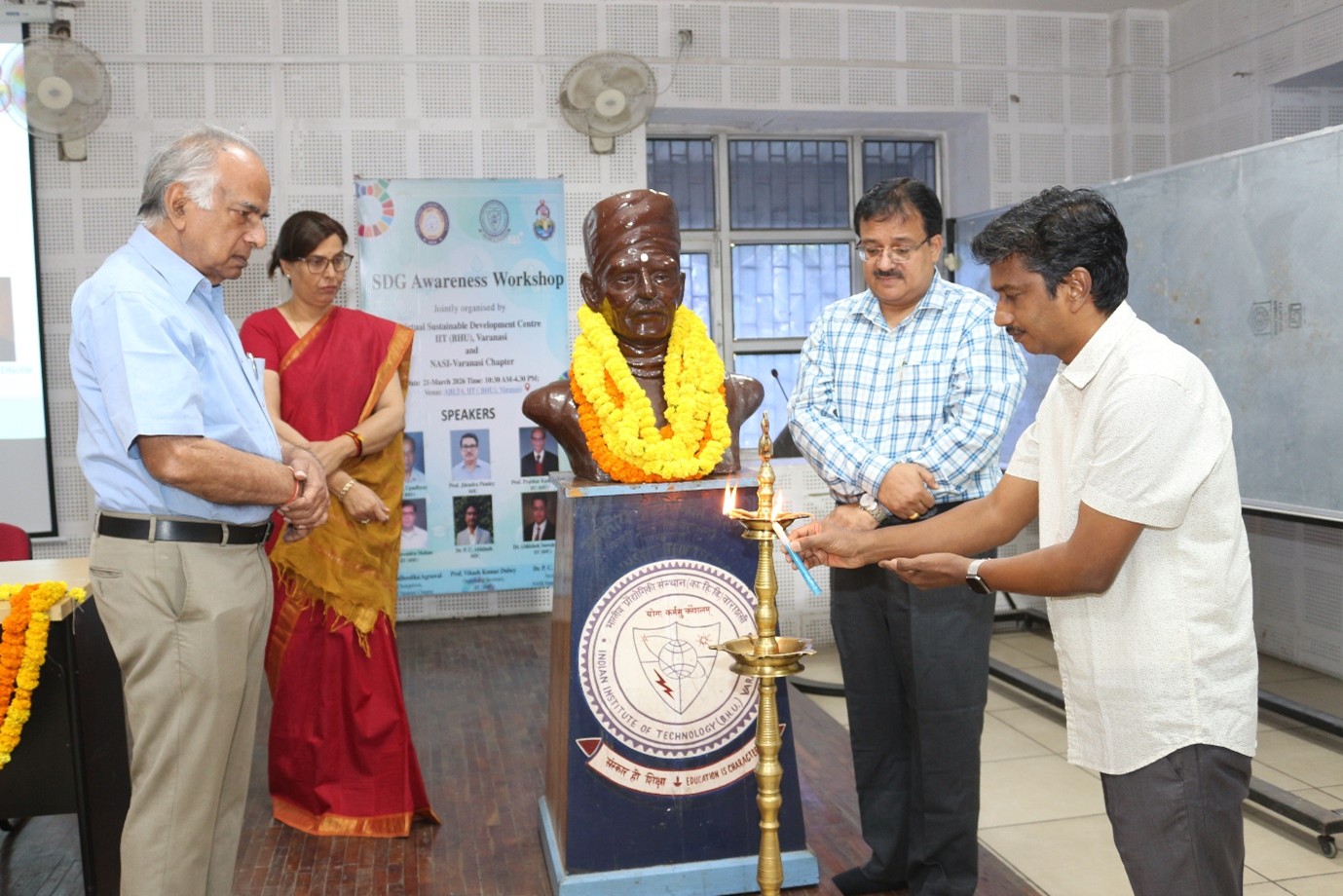
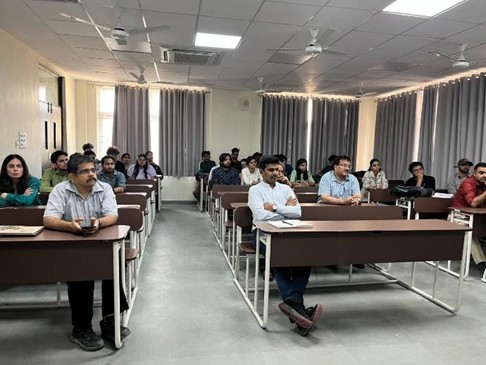
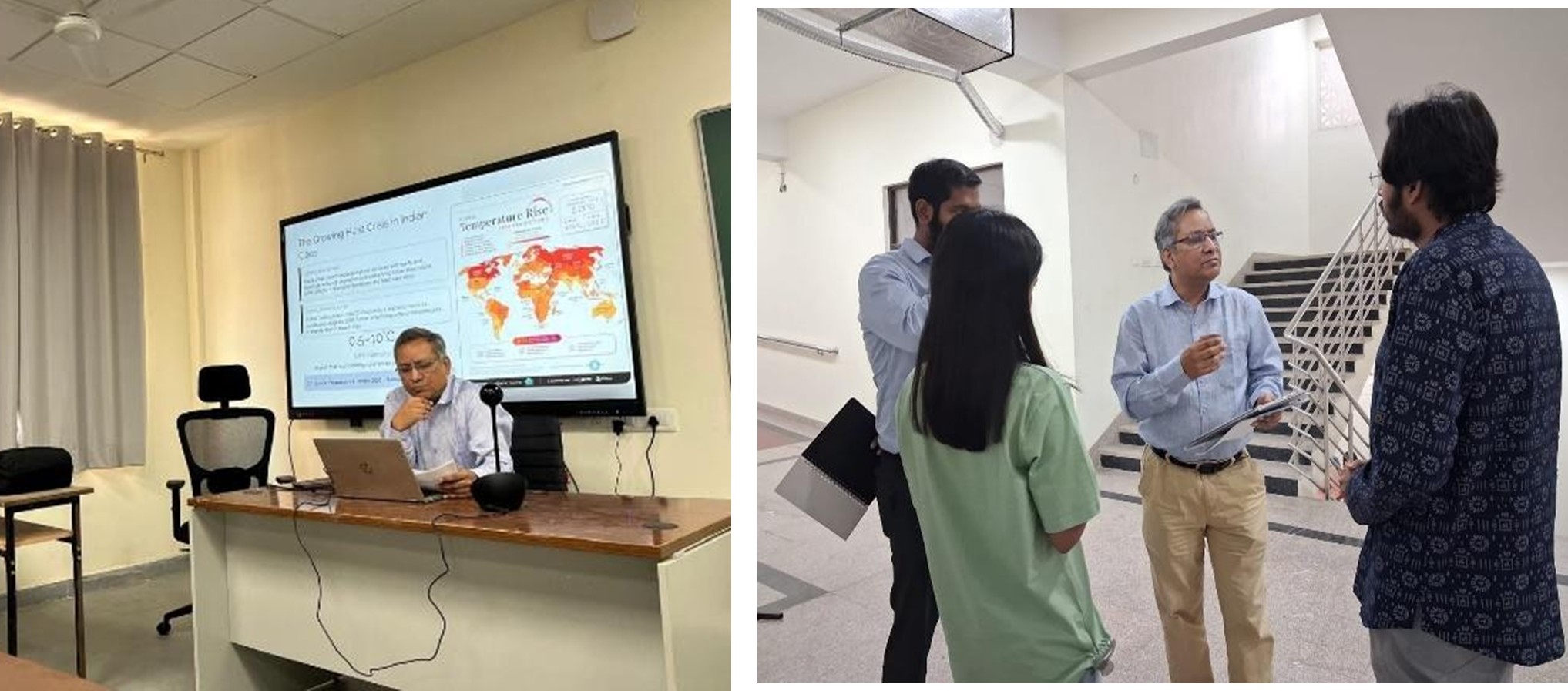
A high-impact one-day workshop on Sustainable Development Goals (SDGs) was conducted on 21.03.2026. It brought together top experts and researchers for discussions SDG Awareness and India’s progress toward the 2030 Agenda. The event was jointly organized by the Sustainable Development Centre at the Indian Institute of Technology (Banaras Hindu University), Varanasi, and the National Academy of Sciences, India (NASI)-Varanasi Chapter. The workshop aimed to foster a deep exchange of ideas and making researchers aware about SDG goals. The event was structured into two technical sessions. Each session combined expert lectures with lively discussions, creating a platform to connect theory with real-world implementation challenges. The first session laid out the framework for the day’s discussions. Prof. S. N. Upadhyay, the chief guest, delivered the opening lecture. He provided an overview of the UN Sustainable Development Goals and emphasized how the SDGs are interconnected. He highlighted the urgent need for integrated approaches involving multiple stakeholders. Next, Prof. Jitendra Pandey led a critical discussion on the tensions between development goals and ecological limits. His talk explored the complexities of sustainable decision-making and how to balance economic growth with environmental care without compromising future generations’ needs. The session concluded with Prof. Prabhat Kumar Singh’s presentation on SDG 6—clean water and sanitation. Prof. Singh analysed India’s water security landscape, discussing both the progress made and the challenges still facing the nation. He emphasized the need for technological innovation and strong policy frameworks. Each presentation was followed by an engaging question-and-answer period where participants shared ideas with the speakers about practical challenges and local contexts. Session II: Sectoral Interventions and Scalable Solutions After a networking lunch, the second session focused on specific sectoral initiatives and scalable solutions. Prof. Devendra Mohan opened the discussions by addressing the technological and policy aspects of achieving universal access to clean water and sanitation. He highlighted the importance of suitable technology, resilient infrastructure, and good governance in meeting SDG targets. Dr. P. C. Abhilash then spoke about India’s national commitments to the UN-SDGs. This sparked a lively discussion about how large government programs and grassroots efforts can work together. The conversation centred on how policy alignment and local participation can speed up impact where it’s most needed. The technical sessions wrapped up with a forward-looking presentation by Dr. Abhishek Suresh Dhoble on waste-to-resource technologies. Dr. Dhoble discussed how circular economy approaches, such as converting agricultural residue and municipal waste into energy and valuable products, can create a ripple effect. These can help advance multiple SDGs related to climate action, sustainable cities, and responsible consumption. The discussions after the lectures provided attendees with a chance to share their experiences, talk about barriers to adoption, and explore pathways for scaling successful models. The workshop ended with a shared agreement on the need for ongoing collaboration between academic institutions, policymakers, and community members to turn knowledge into real action. During the inauguration function, the Associate Dean (R&D), highlighted the need of SDG awareness in the Indian context. The event was coordinated by Prof. Vikash Kumar Dubey, Professor –in-Charge, SDG centre, IIT (BHU), Varanasi and Dr. PC Abhilash, Secretary, NASI-Varanasi Chapter.