




Social Sustainability initiatives at IIT(BHU)
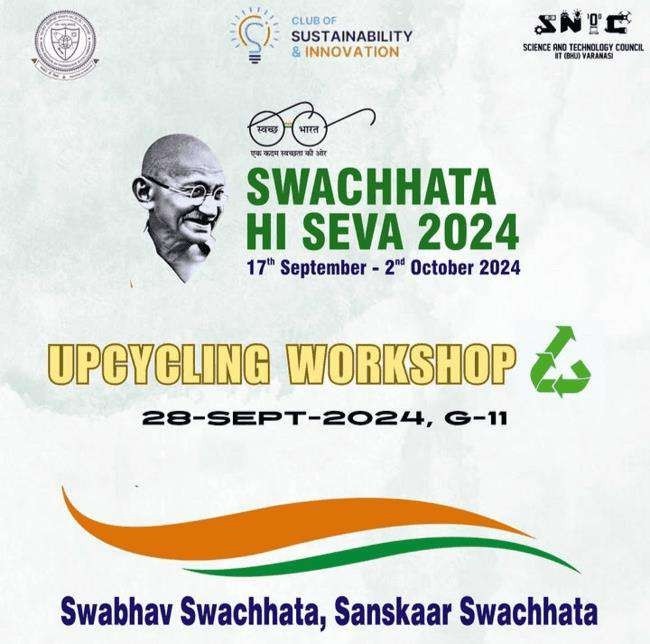
Swachhata hi Seva Campaign (September 2024)
September 17- October 2, 2025
It is an Hands-on workshop on creative reuse of waste materials, promoting circular economy principles.
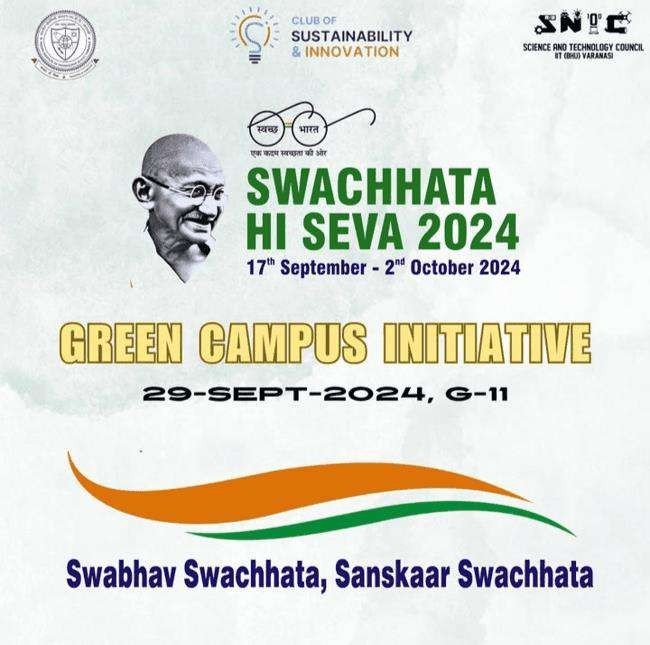
Green Campus Initiative
September 29, 2024
Focused on waste segregation, plastic reduction, and green infrastructure. (Aligned with SDG 12)
Opportunity Compass
The Opportunity Compass series is a dedicated initiative aimed at connecting students and professionals with prestigious opportunities in the field of sustainability and innovation. We curate and share information on fellowships, competitions, internships, and global programs that align with sustainable development goals (SDGs).
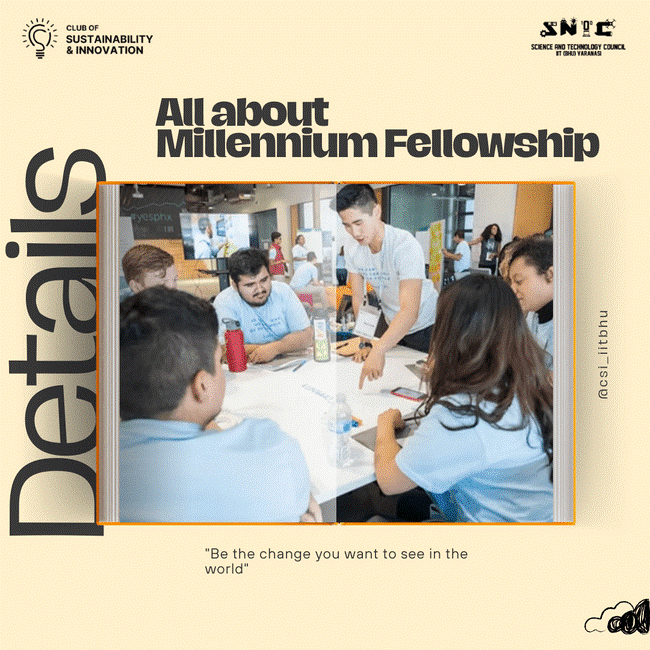
- Millennium Fellowship – A global leadership program
- Unleash Innovation Lab – Global sustainability solutions
- Design Impact India – Sustainable design solutions
- Schneider Go Green – Sustainable energy innovations
- Echoing Green Fellowship – Supporting social impact Entrepreneurs
Blog Series
Blog Series is an initiative to provide in-depth, research-backed insights into cutting- edge developments in sustainability, technology, and environmental innovation. These blogs serve as an informative resource for students, researchers, and enthusiasts who want to stay ahead in the field.
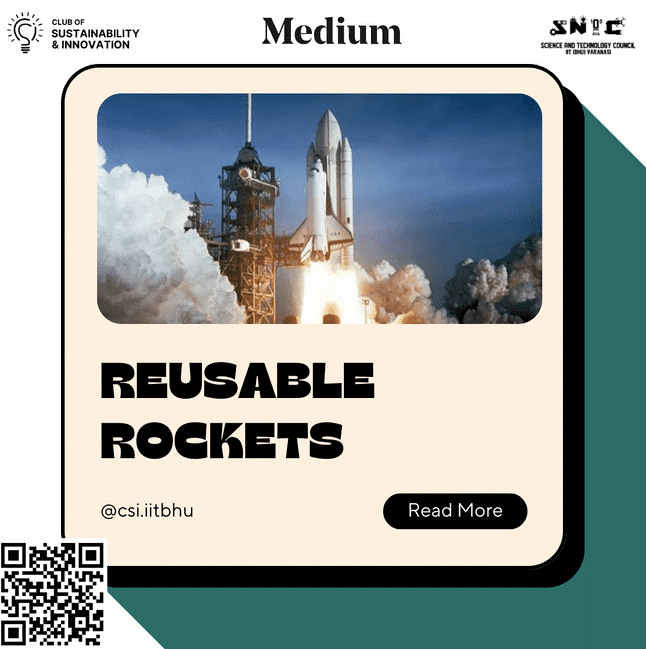
- Reusable Rockets
- Artificial Sun
- Hydrogen Trains & Storage Pipelines
- Electric Highways
- Waste-to-Energy Technologies
Voice of Change Makers (Guest Talk Series)
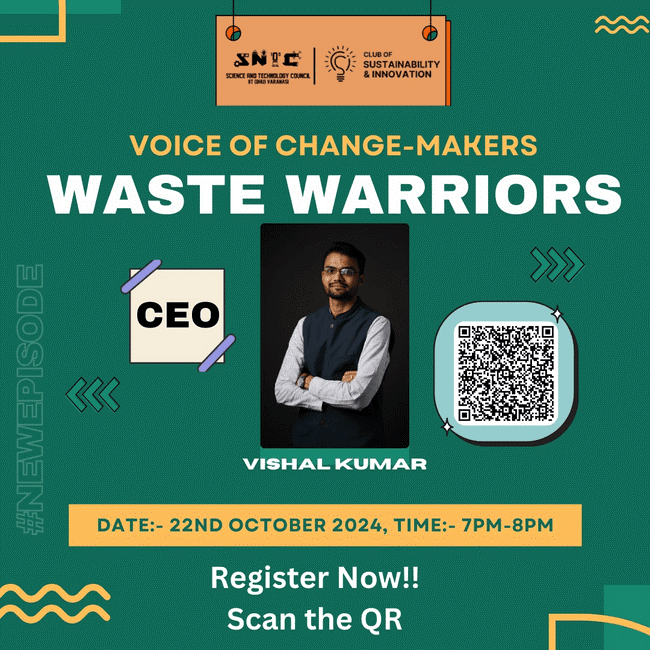
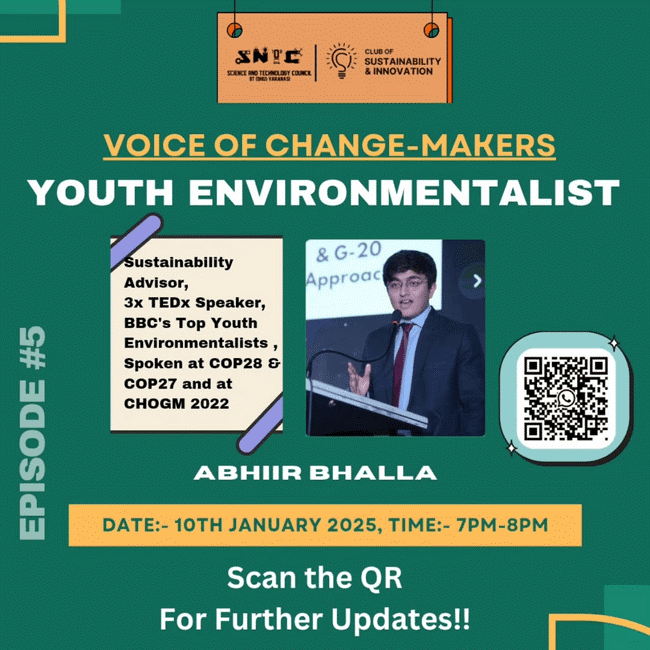
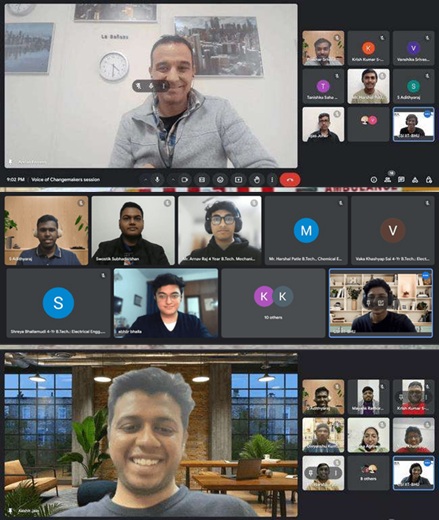
- Vishal Kumar – Waste management
- Dr. Ritu Chhatwal – Sustainable nutrition
- Aalok A Deshmukh – ESG solutions
- Sriram Kuchimanchi – AI sustainability
- Abhiir Bhalla – Climate activism
- Akshit Jain – AI recycling
- Swapnil Pawar – Green finance
- Simranpreet Singh Oberoi – Sustainability in education
- Adrian Ferrero – Soil health
- Nishita & Nikita Baliarsingh – Battery tech
Technex (IIT BHU’s Annual Tech Fest)
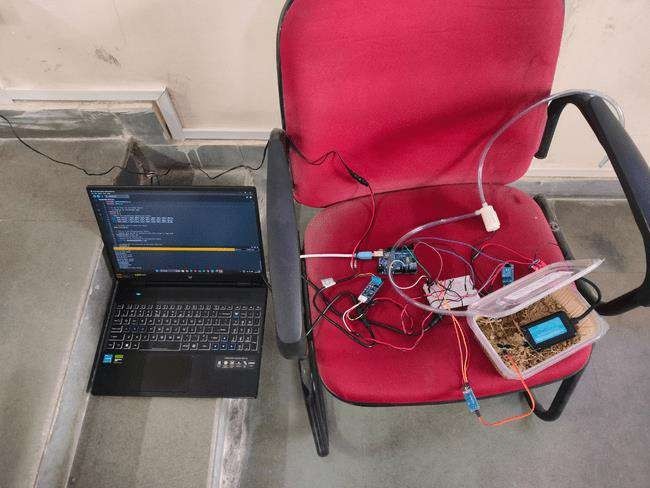
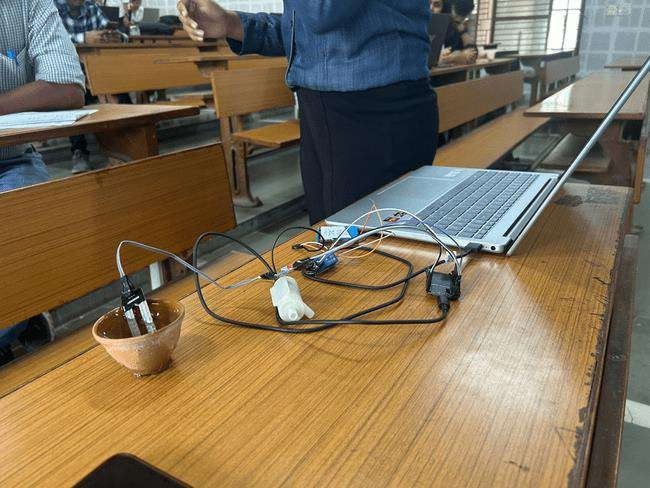
- Eco-Hackathon (48-hour Challenge): Developing software/hardware prototypes addressing sustainability challenges.
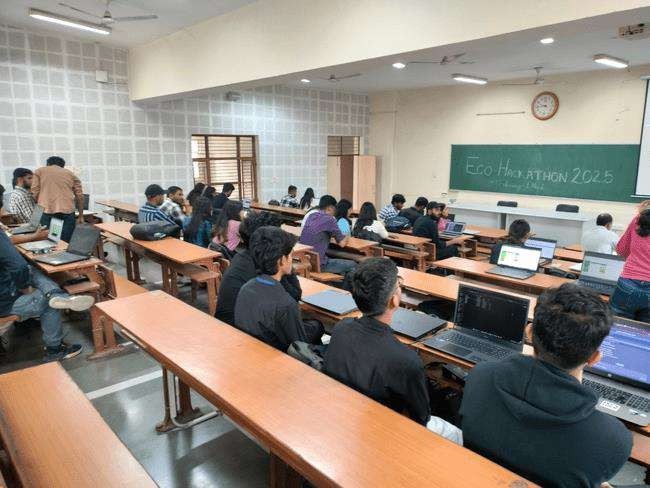
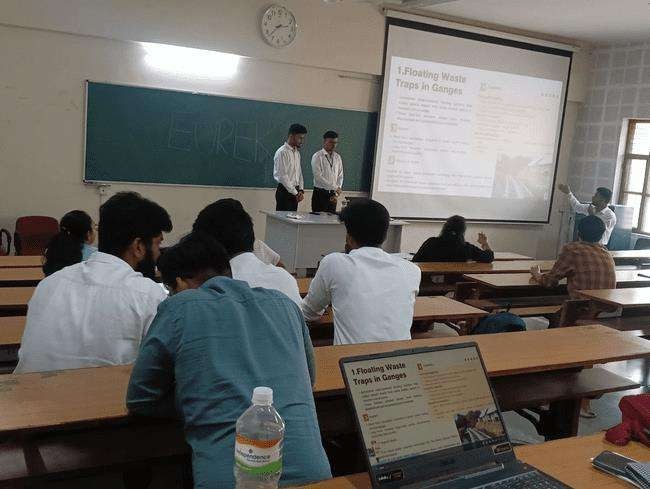
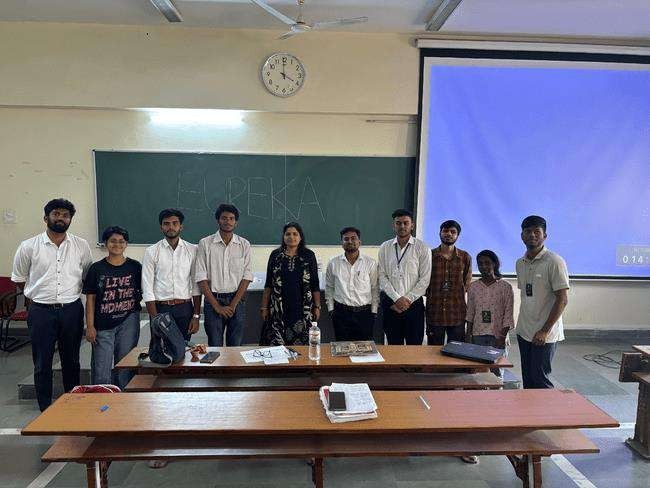
- 2. Eureka (Case Study Competition): Focused on tackling waste pollution in the Ganga River.
- 3.Climate Buzzer (Quiz Competition): Covering climate science, SDGs, and sustainability policies.
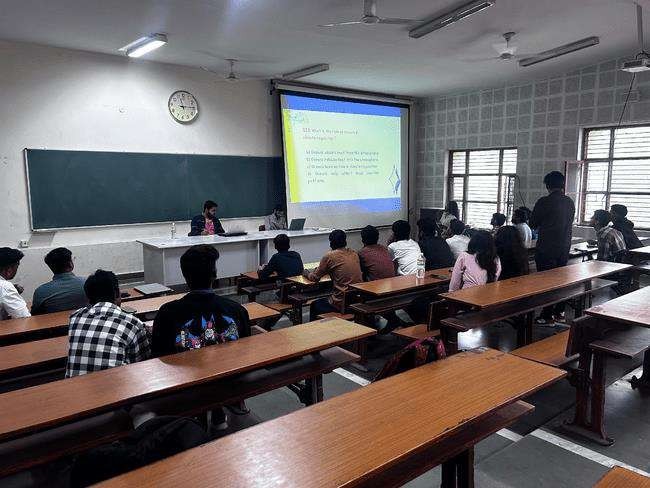
- 4. Fake Investors (Social Entrepreneurship Competition): Simulating investment in sustainability startups.
Eco-vation is the annual sustainability fest of IIT BHU by Club of Sustainability and Innovation, aimed at promoting actionable solutions through competitions, discussions, and policy-making initiatives. This year’s edition featured three impactful competitions:
Annual sustainability fest promoting actionable solutions.
Thrive – Policy-Making Challenge: Participants analyzed unsustainable practices in industries like fast fashion, AI, and electronics and proposed policy-driven solutions considering economic, social, and environmental perspectives.
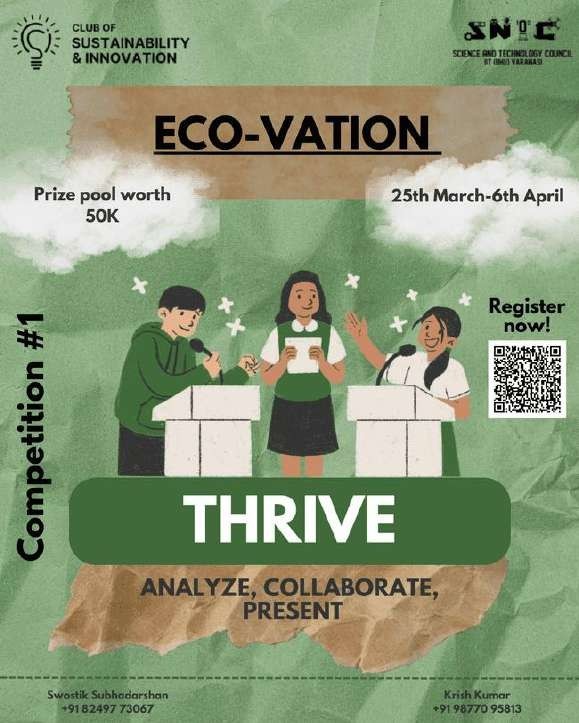
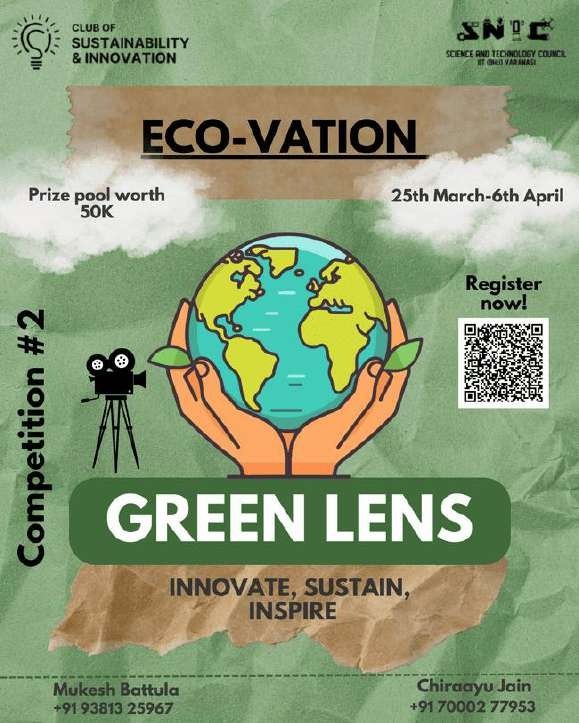
Green Lens – Sustainable Campus Challenge: A campus-wide research and action challenge where participants identified potential unsustainable hotspots at IIT BHU and proposed detailed plans of action to improve sustainability on campus.
Earthlit – Climate Awareness through Storytelling: A creative challenge where teams designed compelling social media content and stories to educate audiences about critical topics such as climate finance, net-zero goals, and circular economy principles.
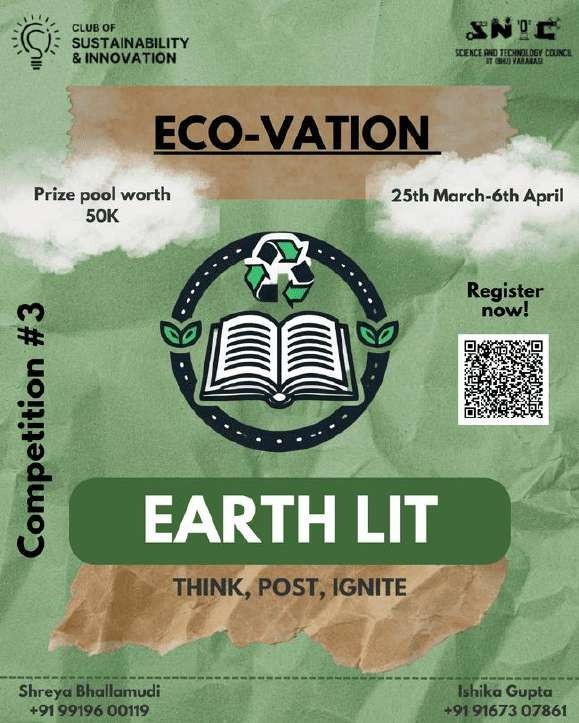
Eco-Vation not only fosters innovation but also provides a platform for students to engage with real-world sustainability challenges and present their ideas before industry experts.
Online Training Programme on NEP Orientation & Sensitization
May 20-29, 2024
The Orientation & Sensitization Program for the National Education Policy (NEP) marks an essential step toward understanding and embracing the transformative vision outlined in this policy. The introduction to such a program serves as a gateway to illuminating the principles, goals, and implications of the NEP. It aims to cultivate awareness, comprehension, and engagement among stakeholders, fostering a collective journey towards the reimagined landscape of education in our nation. This Training Program sets the stage for an enlightening exploration, encouraging participants to delve into the multifaceted dimensions of the NEP, and is poised to revolutionize education for generations to come.
Jagriti
March 1-3, 2024
Jagriti is an Annual Socio-Awareness Weekend organized by the Social Service Council, IIT (BHU) Varanasi. Jagriti is our endeavour to reach out to more and more people to develop a culture of participation in social- impact-oriented activities.
A 3-Day Workshop on Utilizing AI and IoT to Transform Indian Agriculture
February 26-28, 2024
Organized by The Rashtriya Krishi Vikas Yojna - Remunerative Approaches for Agriculture and Allied Sector Rejuvenation (RKVY-RAFTAAR) Agripreneurship is a scheme of the Ministry of Agriculture and Farmers’ Welfare (MoA&FW), Govt. of India aimed at strengthening infrastructure in agriculture and allied sector in order to promote agripreneurship and agribusiness by providing financial support and nurturing the incubation ecosystem. Ministry of Agriculture & Farmers’ Welfare, Government of India sanctioned to establish RKVY – RAFTAAR Agri Business Incubator (R-ABI) at Indian Institute of Technology (BHU) Varanasi in January 2019. (Link: https://timesofindia.indiatimes.com/city/varanasi/tech-agri-and-banking-experts-dis cuss-intelligent-farming/articleshow/108126660.cms
The Indian Institute of Technology (BHU) Varanasi recently concluded a successful event under its Scientific Social Responsibility (SSR) initiative, aimed at inspiring young minds and fostering a passion for science and technology. The event, which was organized by the School of Biochemical Engineering on 13th February 2024, witnessed enthusiastic participation from students and faculty members alike.
Organized as part of the Science and Engineering Research Board (SERB), Department of Science and Technology, Government of India’s Start-up Research Grant (SRG) project titled “A Novel, Rapid, High-Throughput Characterization of Microbiome Dynamics Through Cytomics and Machine Learning,” the event welcomed a group of about 25 students from local schools in Varanasi. The objective was to provide these students with an immersive experience in the world of science and technology through various engaging activities.
The itinerary included a comprehensive laboratory tour, where students had the opportunity to witness cutting-edge research facilities and equipment in action. Instrument demonstrations were also conducted, allowing participants to gain hands-on experience and insights into various scientific disciplines.
E-Summit (February 2-4, 2024)
It is the annual flagship event of Entrepreneurship Cell of IIT BHU. It stands as a testament to our commitment to promoting entrepreneurship and fostering innovation. This event is a celebration of the entrepreneurial spirit and serves as a dynamic platform for startups, young innovators, students, and industry leaders to come together, share knowledge, and inspire innovation. The latest edition of this entrepreneurial extravaganza, E-Summit '24 took place from February 2nd to February 4th, 2024, and promised to be an enriching experience for all the participants.
Training programme on Cardiopulmonary Resuscitation (CPR)
A training program on Cardio Pulmonary Resuscitation (CPR) by Dr. Shivshakti Prasad Dwivedi, State Medical Officer, Varanasi held on 2nd February 2024 at 4.00 pm at ABLT -1 of the Institute. The objective of the program was to acquaint with CPR procedure during emergency situations.
The Social Service Council
This council is dedicated to uplifting society and fostering environmental development. In a recent initiative, our volunteers, together with local Basti students, organized a tree planting event. The students gained valuable environmental knowledge, and the event also celebrated our rich traditions. Our institute remains committed to conducting such programs in the future, continuing our efforts to make a positive impact on society and the environment.
TIFAC
TIFAC-MSME program aims at building a platform for facilitating interactions of MSMEs with the Institute. The thrust is on providing technical support to the MSMEs by providing the requisite skilling/technology demonstration, creating a platform on a mutually win- win basis towards identifying the technological gap areas. It also provides exposure to MSMEs to current technologies and global competitive manufacturing practices. This program aligns its activities with those of Skill India and Make in India towards pursuing the larger pool of AtmaNirbhar Bharat.
Indian Knowledge Systems (IKS)
Indian Knowledge Systems (IKS) is an innovative cell under Ministry of Education (MoE) at AICTE, New Delhi. It is established to promote interdisciplinary research on all aspects of IKS, preserve and disseminate IKS for further research and societal applications. It will actively engage for spreading the rich heritage of our country and traditional knowledge in the field of Arts and literature, Agriculture, Basic Sciences, Engineering & Technology, Architecture, Management, Economics, etc.
List of programmes/projects under IKS:
- 1. Mineral Acids in India prior to 15th CE: A Revisit Exploring Arthashastra and other 15th CE Rasa Sastra texts
- 2. Neeti Shastras and Modernity : Understanding the reflective equilibrium between Hermeneutics of Normative Texts and Practice.
- 3. Traditional Principles of settlement planning in heritage temple sites of Odisha/ erstwhile kalinga region
- 4. Application of sthapatya veda and vedic architecture in creating healthy indoor environment - study are Varanasi
Unnat Bharat Abhiyan
Unnat Bharat Abhiyan initiative is to develop the necessary mechanism and proper networking among the nearby villages through community engagement, panchayati raj institutions and grass root voluntary organizations to enable effective intervention at the field level to understand rural realities. It is a process of holistic development like planning, knowledge sharing and demonstration projects using eco- friendly sustainable technologies and local resources creating sufficient employment opportunities.
IIT(BHU) will involve in counselling and providing the necessary technical inputs to the villagers specially youngsters for
- For preservation and promotion of rural crafts
- Vermicomosting
- Biobrickets
- Counselling for sanitation and hygiene
- Rain water harvesting
- Solar lights for community (schools, temples, etc.)
- Adult education
- To identify the need of villagers and take their inputs on the issues
- Forestation
- Drinking water quality
- Up gradation of ITI and Diploma holders
- Storage, package of local food(fruit, grains, vegetables, etc.) : value addition
- Decentralized gasifier
- Maintenance of electronic equipments
- To connect the local small industries and suggest methods for better efficiency
Villages Selected:
- Sarai Dangri (KV Block)
- Tikari (KV)
- Rajpur (Arajiline Block)
- Adma Pur (Sewapuri)
- Nagepur (Arajiline)
- Kaneri (Arajiline)
- Hardattpur (Arajiline)
- Gopalpur (Adalhat, Mirzapur)
- Bhaipur (Jamalpur, Mirzapur)
Projects in Progress:
- To identify guilds and small scale industries and Nagepur and Kaneri and to explore the possible means for improvement efficiency.
- To study the potable water quality of Tikari (KV Block) and its impact on health.
- To study the potable water quality in and around Sarai Dangri.
- To study the quality of water of all the hostels of IIT(BHU) at entry point.
- To identify the possible areas for rain water harvesting in Tikari.
- Counselling for sanitation and hygiene in Gopal Pur (Adalahat).
Sensitization of Developments on Specific Learning Disabilities (January 31, 2024)
In recognition of the importance of inclusivity and understanding in higher education, the "Enlightening Perspectives" programme at the Indian Institute of Technology (BHU) aims to shed light on specific learning disabilities (SLDs) and their impact on students. Through a one-day sensitization programme, we aspire to foster awareness, empathy, and support for individuals with SLDs within the IIT (BHU) community.
Objectives:
- Raise awareness about specific learning disabilities (SLDs) and their diverse manifestations.
- Educate students, faculty, and staff about the challenges faced by individuals with SLDs in academic settings.
- Promote understanding and acceptance of different learning styles and needs.
- Provide resources and strategies to support students with SLDs in their academic journey.
- Create a more inclusive and supportive environment for individuals with SLDs at IIT (BHU).
Programme Components:
Educational Sessions:
Engage participants in interactive sessions led by experts in the field of special education and psychology. Topics may include types of SLDs (such as dyslexia, dysgraphia, and dyscalculia), their characteristics, identification, and management strategies.
Personal Stories:
Invite individuals with SLDs to share their personal stories and experiences with overcoming challenges and achieving success. This provides participants with real-life insights into the strengths and resilience of individuals with SLDs.
Workshops on Accommodations:
Conduct workshops to familiarize participants with accommodations and support strategies that can benefit students with SLDs. Topics may include assistive technologies, modified instructional methods, and accessible assessment practices.
Faculty Training:
Provide training sessions for faculty and teaching staff on recognizing and supporting students with SLDs in the classroom. Emphasize the importance of flexibility, patience, and individualized approaches to teaching and assessment.
Student Panel Discussion:
Facilitate a panel discussion featuring students with SLDs who can share their perspectives on navigating academic challenges and accessing support services at IIT (BHU). This allows for open dialogue and the exchange of ideas between students, faculty, and staff.
Resource Fair:
Organize a resource fair where participants can learn about support services, accommodations, and assistive technologies available on campus and in the community. Representatives from disability services, counseling centers, and student organizations can provide information and answer questions.
Interactive Activities:
Incorporate interactive activities, such as simulations or group discussions, to help participants understand the experiences of individuals with SLDs and develop empathy and sensitivity towards their needs.