





Promoting Renewable Energy
Greenhouse Gas Protocol (GHG Protocol)
Solar Power
The Greenhouse Gas Protocol (GHG Protocol) is a renowned tool developed by the World Resources Institute (WRI) and the World Business Council for Sustainable Development (WBCSD) to manage greenhouse gas emissions. It offers comprehensive standards for companies to measure, report, and reduce their carbon footprint. Solar power, a renewable energy source, converts sunlight into electricity with minimal greenhouse gas emissions. Though emissions are associated with solar panel manufacturing and installation (Scope 3), they are significantly lower compared to fossil fuels. Solar power also aids in reducing indirect emissions (Scope 2) by generating clean electricity on-site. Embracing solar energy plays a vital role in sustainable practices and climate change mitigation.
Solar panel at IIT (BHU) Varanasi: IIT (BHU) Varanasi has shown commendable dedication to promoting sustainable practices and mitigating the impact of climate change. By actively embracing renewable energy solutions, particularly solar power, the institute has set an inspiring example for other educational institutions and communities to follow.
The installation of solar panels at IIT (BHU) Varanasi is a testament to their commitment to harnessing renewable energy and reducing carbon emissions. These solar installations serve multiple crucial purposes within the campus, showcasing the institution's forward-thinking approach to sustainable development.
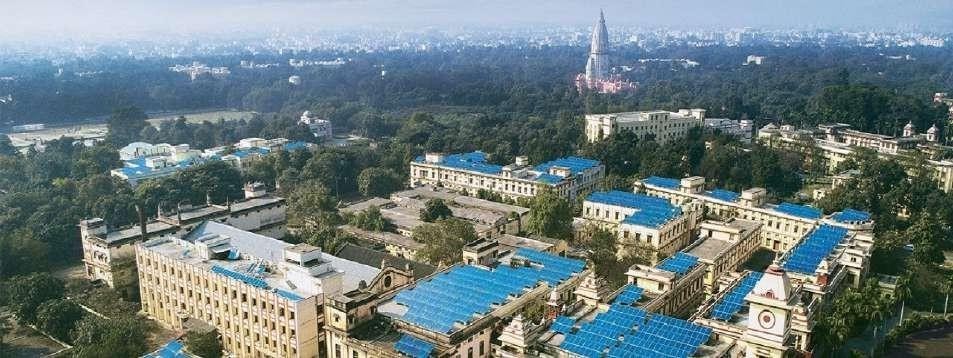
Figure 1: Illustration of Solar panel at IIT (BHU) Varanasi
Figure 1 showcases the remarkable Solar panel array at IIT (BHU) Varanasi, an impressive sight that reflects the institute's progressive mindset. With solar panels gracing ten academic buildings and departments, three hostels, and one library, the campus has become a shining example of how educational institutions can actively contribute to a greener and cleaner future. The locations of such buildings are shown in Figure 2. These solar panels not only generate clean electricity for the institute's on-campus consumption but also power street lights, further enhancing the campus's sustainability efforts and ensuring a safer environment for all. By incorporating solar energy into their daily operations, IIT (BHU) Varanasi reduces its dependence on conventional energy sources and thereby minimizes its carbon footprint.
The positive impact of such initiatives extends beyond the institute's boundaries. By showcasing the successful integration of solar power, IIT (BHU) Varanasi inspires and educates the broader community about the benefits of renewable energy adoption. The institute's proactive approach to sustainable practices contributes significantly to the nation's renewable energy targets and aligns with global efforts to combat climate change.
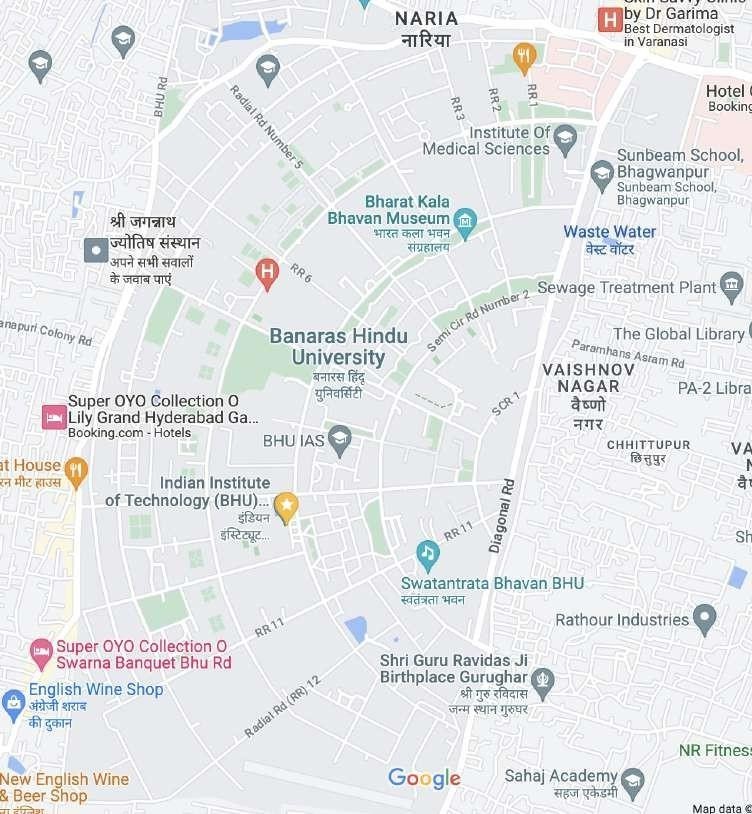
Figure 2: Illustration of Solar panel buildings at IIT (BHU) Varanasi.
The commitment of IIT (BHU) Varanasi to renewable energy sets a precedent for other educational institutions, industries, and organizations to follow suit. As solar power becomes an increasingly viable and cost-effective solution, more entities can adopt similar initiatives, collectively contributing to a cleaner and greener planet.
Solar Street Lights
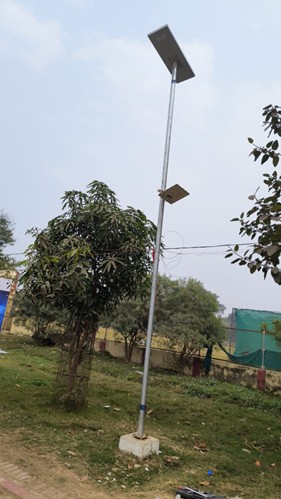
Our institute is committed to fostering a sustainable future by actively promoting the use of renewable energy. As part of this initiative, we have successfully installed solar streetlights across the campus. These solar-powered lights harness clean energy from the sun, reducing dependence on conventional electricity and minimizing our carbon footprint. They not only ensure efficient illumination but also contribute to energy conservation and environmental protection.
The installation of solar streetlights reflects our dedication to adopting eco-friendly practices and creating awareness about renewable energy among students and the community. Through such initiatives, we aim to inspire responsible energy use and support the global transition toward a greener, more sustainable world.