




Recent Activities on Sustainable Technologies
In recent years, the global discourse has increasingly emphasized the imperative of sustainability across all sectors of society. Against this backdrop, the Indian Institute of Technology (BHU) has emerged as a beacon of innovation and leadership, leveraging its strengths to champion Green, Clean, and Sustainable Technologies. These initiatives not only provide a clear sense of direction but also serve as catalysts for motivation, inspiring individuals and communities to actively contribute to the creation of a healthier, more resilient environment. The multifaceted approach adopted by IIT (BHU) towards sustainability encompasses a spectrum of activities aimed at fostering environmental stewardship, promoting green industries, and mitigating the adverse effects of climate change. At the heart of these efforts lies a commitment to nurturing a symbiotic relationship between technological advancement and ecological preservation, thereby paving the way for a sustainable future. Highlighting some notable recent activities in the realm of sustainable technologies are presented below in tabbed sections.
Rejuvenation of the Lotus Lake Using Phytoremediation – Floating Treatment Wetlands Method
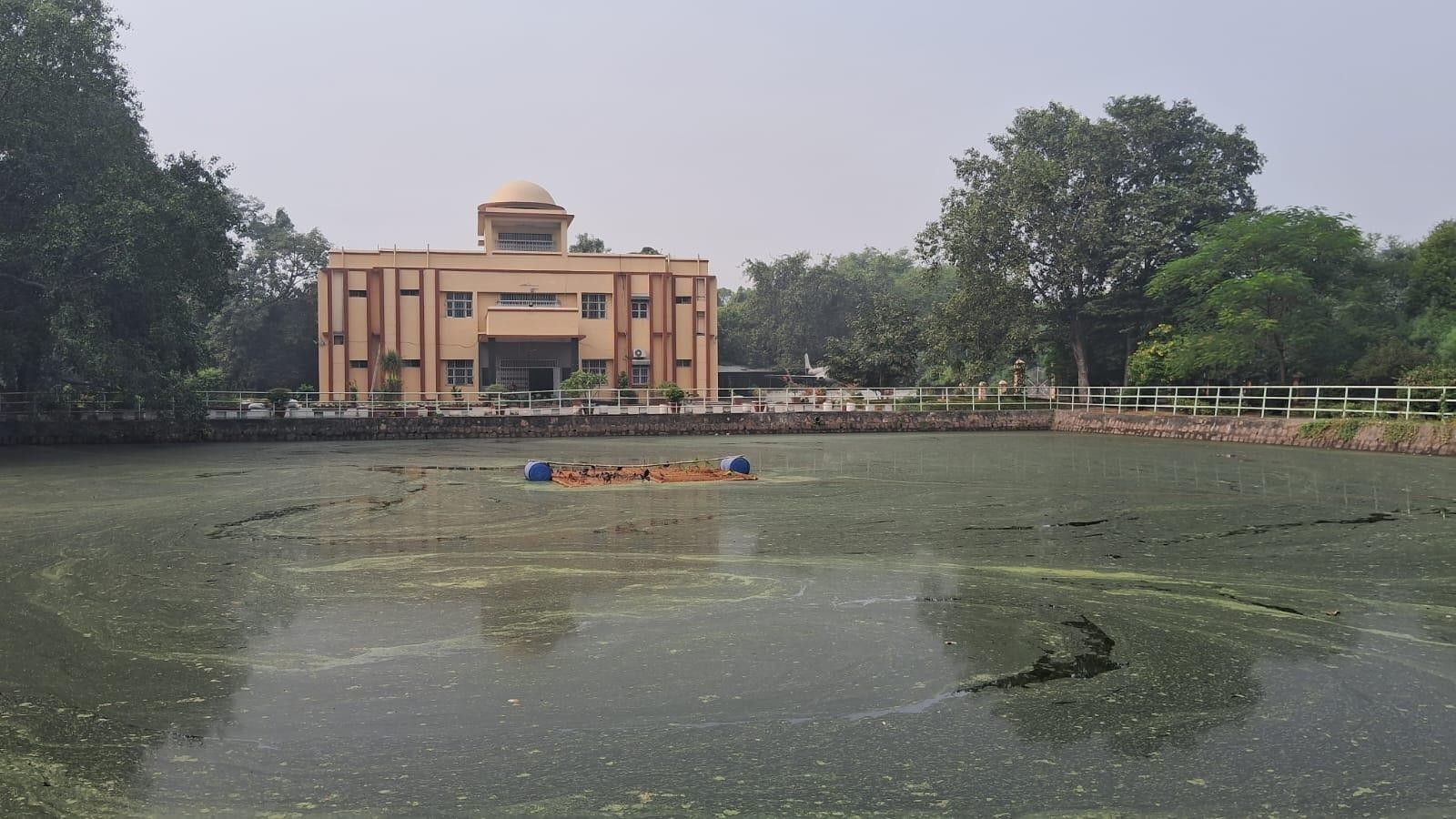
This project focuses on the revitalization of Lotus Lake through the innovative method of Phytoremediation, utilizing Floating Treatment Wetlands (FTW). Phytoremediation is a natural and eco-friendly solution for cleaning up water bodies, involving the use of plants to absorb and filter pollutants from the water. The FTW method involves floating platforms with plants that act as biofilters, enhancing water quality while promoting biodiversity.
The Lotus Lake has been facing issues like nutrient pollution and water quality degradation. By using this sustainable method, we aim to restore the health of the lake, ensuring cleaner water, better aquatic life, and a sustainable ecosystem for the surrounding community.
Transforming Varanasi's Floral Abundance into Sustainable Energy and Products:
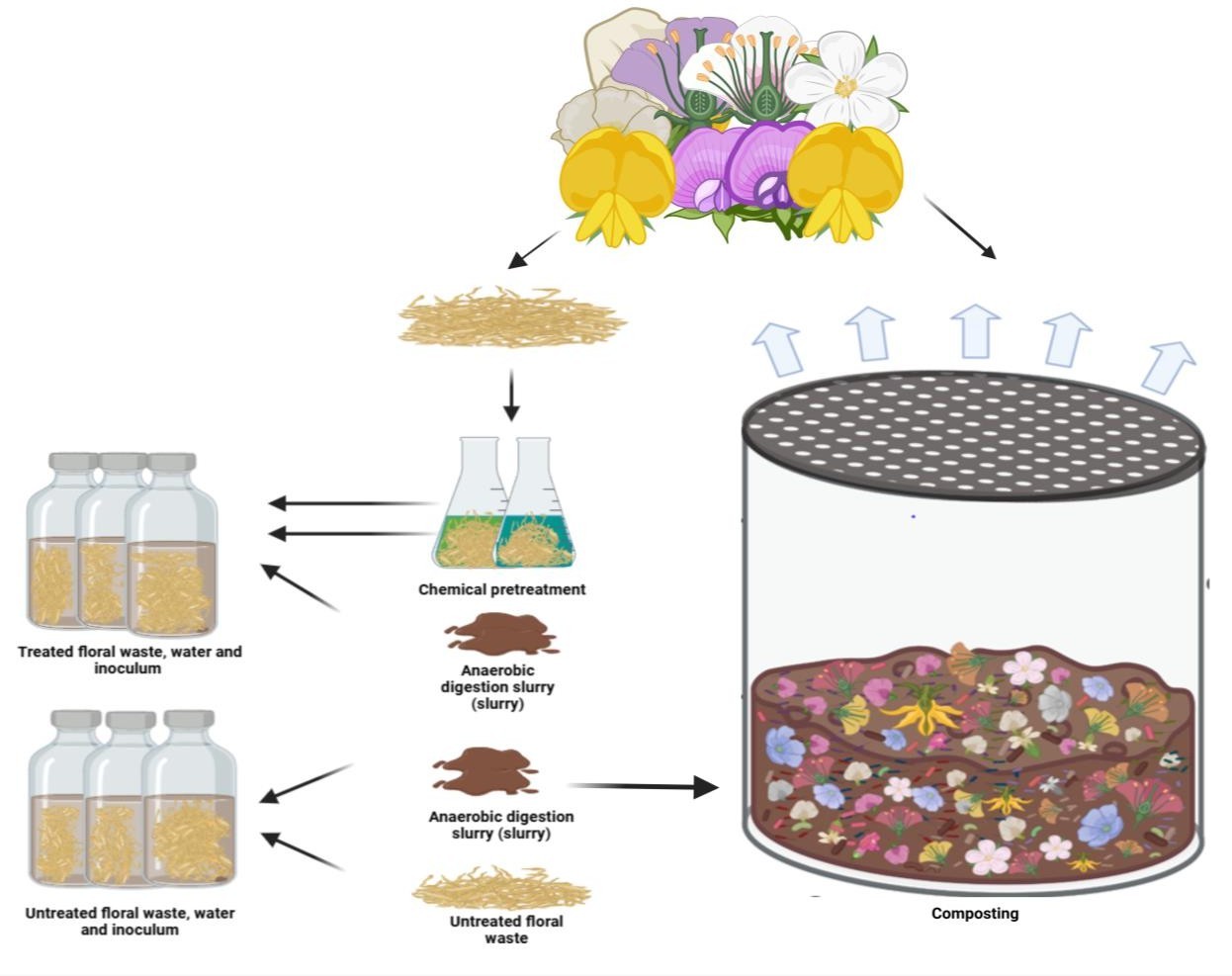
An innovative method has been developed to convert the large amount of floral waste generated in Varanasi into clean energy and valuable products. This approach involves using anaerobic digestion, along with fungal pretreatment, to enhance methane production. The research addresses the challenge of floral waste management while also contributing to renewable energy generation.
The research has been recognized for its impact and received an award at an international conference, further highlighting its potential as a scalable solution for managing floral waste and creating sustainable energy sources.
Designing electrode and catalyst material from sustainable resources:
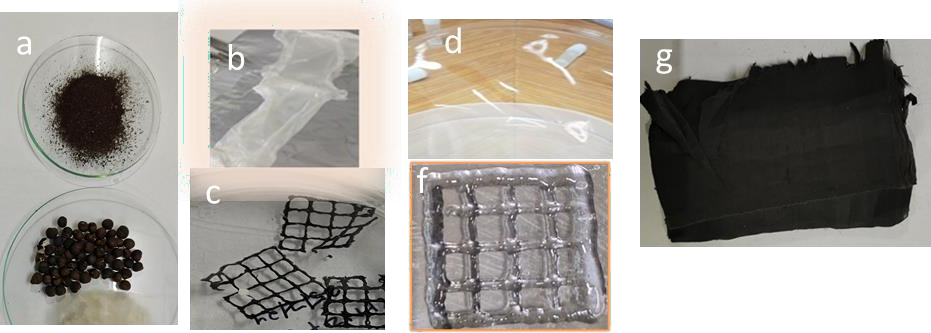
The research is mainly focused on designing electrode and catalyst materials from sustainable resources as well as bio mimicking them through advanced process methods like electrospinning technology. (Figure a, b). Currently developing Fiber based free standing electrodes for super capacitor and battery in a sustainable manner via choosing the biopolymer based matrix material for carbon matrix formation. (Figure b, d, g). Further, as part of waste utilization, we are targeting agricultural waste materials towards carbon catalysts synthesis for fuel cell and other energy and biomedical related applications. (Figure a, c, g). Recently, we were into the field of designing natural product-based nanofiber mats for sustainable packaging, membrane in water filtration and fuel cell applications and antimicrobial wound healing bandages. We have also formulated the sustainable bio-ink from agriculturally based materials for tissue engineering applications. (Figure a, b, c, d, f, g)
The following figure depicts the information related to the ongoing research
Development of highly stable electro catalysts for seawater oxidization:
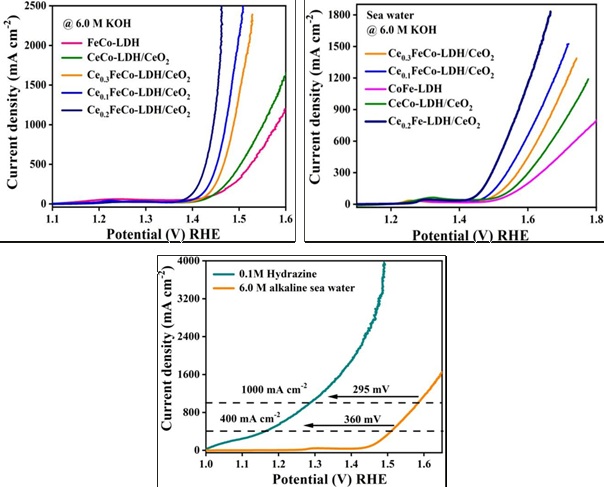
we have developed different layered double hydroxide (LDH)-based catalysts, which can produce high activity for seawater oxidation under industrial conditions. In 6.0 M KOH seawater electrolyte, the catalyst requires only 250 mV over potential to achieve an industrial-scale current density of 500 mA cm -2. In an alkaline seawater electrolyte, this multi-metallic electro catalyst stands out as one of the most efficient transition-metal-based OER electro catalysts reported to date, thus advancing the progress of seawater electrolysis technology. Interestingly, our catalyst achieved a current density of 2.5 A cm -2, a remarkable high value in this field.
The research has been recognized for its impact and received an award at an international conference, further highlighting its potential as a scalable solution for managing floral waste and creating sustainable energy sources.
Carbon Neutral Village:
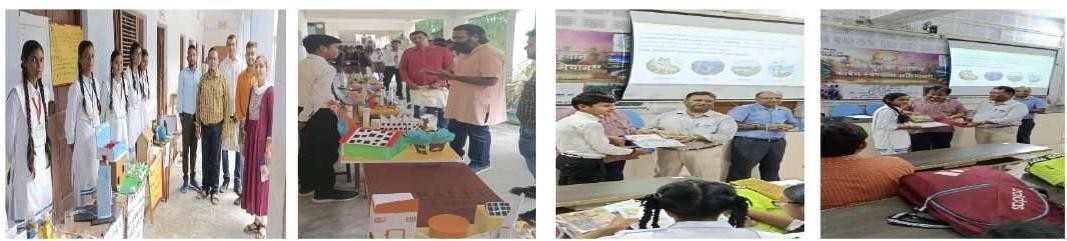
One of the noteworthy recent activities underscoring this commitment is the Workshop on Water Positive – Carbon Neutral Village, held on March 4th, 2023. Hosted at the Rural Connectivity Initiative (RCI) of IIT (BHU), this workshop served as a platform for stakeholders to explore innovative solutions for achieving water positivity and carbon neutrality in rural communities. Through insightful discussions and knowledge-sharing sessions, participants gained valuable insights into sustainable practices that can be implemented at the grassroots level, thus laying the foundation for transformative change.
3rd International Conference on River Health:
Similarly, the International Conference on River Health: Assessment to Restoration stood out for its emphasis on carbon neutrality. By convening experts and practitioners from around the world, this conference facilitated meaningful exchanges on strategies to enhance river health while simultaneously reducing carbon emissions. The collaboration with the Smart Laboratory for Clean Rivers (SLCR) underscored IIT (BHU)'s commitment to interdisciplinary research and collaborative problem-solving in the pursuit of environmental sustainability.
Unnat Bharat Abhiyan Symposium and Awareness Campaign:
Moreover, the Unnat Bharat Abhiyan Symposium and Awareness Campaign exemplified IIT (BHU)'s proactive engagement with local communities to address carbon challenges. Through interactive symposiums, competitive events, and awareness campaigns, the institute fostered dialogue and knowledge exchange among students, villagers, and other stakeholders. This grassroots approach not only raised awareness about the importance of carbon neutrality but also empowered communities to take ownership of environmental stewardship initiatives.
Rural Internship Programme:
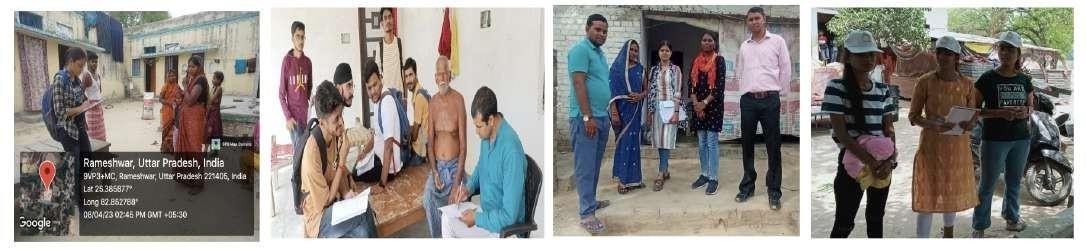
Carbon Neutral and Water Positive": In addition to community outreach efforts, IIT (BHU) has also spearheaded educational initiatives aimed at nurturing future leaders in sustainability. The Rural Internship Programme "Carbon Neutral and Water Positive" provided undergraduate and postgraduate students with hands-on experience in implementing sustainable practices in rural settings. By collaborating with local communities and organizations, students gained practical insights into water management, carbon neutrality, and environmental conservation, thus bridging the gap between theory and practice.
Awareness Meeting for the Carpet Sector:
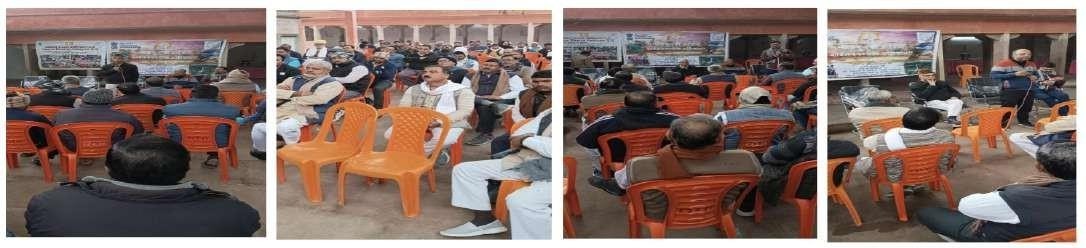
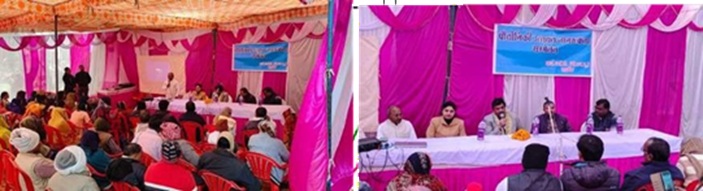
Furthermore, the institute has actively engaged with industry stakeholders to promote sustainable practices and technological innovation. The Awareness Meeting for the Carpet Sector, held in January 2024, served as a platform for knowledge-sharing and collaboration within the MSME cluster of Varanasi. By disseminating information on technological advancements and best practices for reducing carbon emissions, IIT (BHU) facilitated the adoption of sustainable solutions within the carpet industry, thereby driving positive environmental outcomes.
Workshop on Sustainability in Water and Environment:
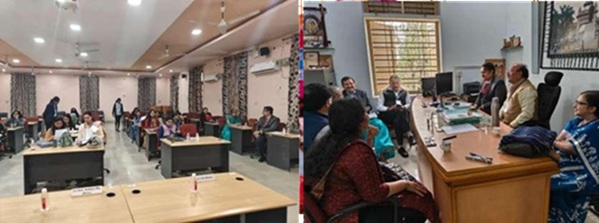
Additionally, the Workshop on Sustainability in Water and Environment, organized under the auspices of SERB-INAE, underscored IIT (BHU)'s commitment to capacity-building and knowledge dissemination. By bringing together young female engineers and eminent scientists, this workshop provided a forum for sharing cutting-edge research and best practices in water and environmental management. Through interactive sessions and panel discussions, participants gained valuable insights into emerging trends and challenges in sustainability, thus equipping them with the tools and knowledge needed to drive change in their respective fields.
International Conference MetWaste-2024:
Moreover, the international conference MetWaste-2024, organized at IIT (BHU), showcased the institution's leadership in addressing complex environmental challenges. By focusing on the management and recycling of metallurgical wastes, this conference provided a platform for experts and practitioners to exchange ideas, share best practices, and explore collaborative solutions.
Lectures on E-waste Management:
Various lectures on E-waste Management further underscored the institute's commitment to raising awareness about critical environmental issues and promoting responsible waste management practices.
The recent activities for sustainability at IIT (BHU) exemplify the institute's unwavering commitment to environmental stewardship, technological innovation, and community engagement. Through a combination of research, education, and outreach initiatives, IIT (BHU) is driving positive change and laying the groundwork for a more sustainable and resilient future. By leveraging its strengths and expertise, the institute is not only addressing pressing environmental challenges but also inspiring a new generation of leaders to champion sustainability in their respective fields.